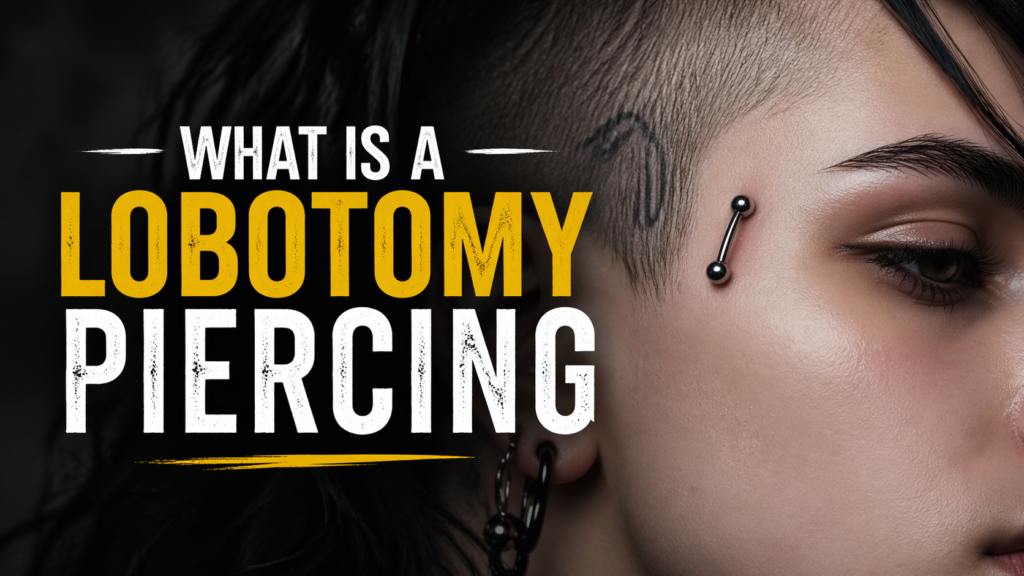
what is a lobotomy piercing
Lobotomy piercing is a term that sparks curiosity, confusion, and sometimes concern. The name itself sounds intense, even medical, which leads many people to wonder whether it is safe, what it actually involves, and why it has gained attention in body modification culture. If you’ve come across this term online or heard it in conversations about piercings, you’re not alone—this unique concept is often misunderstood. In this complete guide, you’ll learn everything you need to know about what a lobotomy piercing is, how it compares to traditional piercings, its meaning, risks, aftercare, and whether it’s something you should consider.
Understanding the Meaning of a Lobotomy Piercing
A lobotomy piercing is not an officially recognized or standardized type of body piercing like ear, nose, or eyebrow piercings. Instead, the term is often used informally or creatively to describe a piercing style that appears extreme, conceptual, or symbolic. In many cases, it refers to a piercing placed in a way that gives the illusion of passing through the head or temple area, mimicking the historical concept of a lobotomy procedure.
The name draws inspiration from the old medical procedure called a lobotomy, which was once used in psychiatric treatment. However, in modern piercing culture, the term is more artistic than literal. It is often used to describe industrial-style or surface piercings placed strategically on the side of the head or near the temples.
It’s important to clarify that no professional piercer performs an actual “lobotomy piercing” in the literal sense. The term is more about visual aesthetics and edgy naming rather than a medically invasive practice.
Origins and Cultural Influence Behind the Name
The concept of a lobotomy piercing is deeply rooted in alternative culture and artistic expression. Over time, body modification enthusiasts have created new names for unique styles of piercings to reflect their visual impact or symbolic meaning. The word “lobotomy” was chosen because it evokes a sense of rebellion, darkness, and individuality.
In alternative communities, especially within punk, goth, and cyber aesthetics, unusual piercing names help establish identity and uniqueness. A lobotomy piercing fits perfectly into this space because it challenges traditional beauty norms and introduces a bold, almost controversial aesthetic.
Despite its edgy name, the cultural influence behind it is more about self-expression than shock value. Many people choose such styles to stand out, tell a story, or align with a specific subculture.
How a Lobotomy Piercing Looks in Practice
In practical terms, what people call a lobotomy piercing often resembles a surface piercing or dermal implant placed near the temple or side of the forehead. Sometimes, it can also refer to a barbell-style piercing that visually connects two points across a flat surface, creating a striking illusion.
The placement is key to achieving the “lobotomy” effect. It is usually positioned where it appears to pass through the skull, though in reality, it only goes through the skin. This creates a dramatic look without involving any dangerous procedures.
Jewelry used in this style can vary widely, including barbells, surface bars, or dermal anchors. The design choice often depends on the wearer’s preference and the piercer’s recommendation based on anatomy.
Types of Piercings Often Called Lobotomy Piercings
Because “lobotomy piercing” is not a formal category, several types of piercings may fall under this label depending on interpretation. These include surface piercings, dermal piercings, and industrial-style piercings placed in unconventional areas.
Surface piercings are commonly associated with this term because they can be placed on flat areas of the body, including the temple. Dermal piercings, also known as single-point piercings, are another popular option, as they create a minimal yet impactful look.
Industrial piercings, though traditionally done in the ear, can also inspire similar designs on other parts of the body. The creative adaptation of these styles is what gives rise to the idea of a lobotomy piercing.
Differences Between Lobotomy Piercing and Traditional Piercings
Traditional piercings follow established placements such as earlobes, nostrils, or lips. These areas are well-studied, making them safer and easier to heal. A lobotomy piercing, on the other hand, often involves unconventional placement, which can increase complexity.
Another key difference is the intention behind the piercing. Traditional piercings are often chosen for beauty or cultural reasons, while a lobotomy piercing is more about artistic expression and individuality.
Healing time, risk factors, and aftercare requirements may also differ significantly due to the unusual placement. This makes professional consultation even more important for anyone considering such a style.
Safety Considerations You Must Know
Safety is one of the most important aspects to consider when exploring a lobotomy piercing. Because it typically involves surface or dermal piercings in sensitive areas, there is a higher risk of complications compared to standard piercings.
The temple area, for example, contains important blood vessels and nerves. An inexperienced piercer could cause serious issues if the procedure is not performed correctly. That’s why choosing a highly skilled professional is essential.
Additionally, surface piercings are more prone to rejection and migration. This means the body may push the jewelry out over time, leading to scarring or infection if not managed properly.
Pain Level and Healing Process
The pain level of a lobotomy piercing depends on the exact placement and individual pain tolerance. Generally, surface and dermal piercings are considered moderately painful because they involve areas with thinner skin and more nerve endings.
Healing can take several weeks to months. During this time, proper care is crucial to prevent infection and ensure the piercing heals correctly. Unlike standard piercings, surface piercings require extra attention because they are more exposed to movement and irritation.
Swelling, redness, and mild discomfort are normal in the early stages. However, persistent pain or unusual discharge may indicate a problem that needs professional attention.
Jewelry Options for Lobotomy Piercings
Choosing the right jewelry is essential for both aesthetics and safety. Common materials include surgical steel, titanium, and biocompatible plastics, all of which reduce the risk of allergic reactions.
Here is a quick comparison of jewelry types:
| Jewelry Type | Best For | Pros | Cons |
|---|---|---|---|
| Surface Bar | Flat placements | Stable, less movement | Limited design options |
| Dermal Anchor | Minimalist look | Unique appearance | Higher rejection risk |
| Barbell | Creative designs | Versatile | May shift in surface areas |
The choice depends on placement, personal style, and the piercer’s recommendation.
Aftercare Tips for Proper Healing
Proper aftercare is critical for any piercing, especially one as unique as a lobotomy piercing. Cleaning the area regularly with saline solution helps prevent infection and promotes healing.
Avoid touching the piercing with unclean hands, and try not to sleep on it or apply pressure. Keeping the area dry and free from irritation is equally important.
A simple aftercare routine includes:
- Clean twice daily with saline solution
- Avoid harsh chemicals or alcohol
- Do not twist or move the jewelry unnecessarily
Following these steps can significantly improve healing outcomes.
Risks and Possible Complications
Like any body modification, a lobotomy piercing comes with risks. Infection is one of the most common issues, especially if aftercare is neglected. Signs include redness, swelling, and pus.
Rejection is another major concern. Surface piercings are more likely to be rejected by the body, leading to the jewelry being pushed out over time.
Scarring is also possible, particularly if the piercing is removed or rejected. This is something to consider before committing to the style.
Why People Choose a Lobotomy Piercing
People are drawn to lobotomy piercings for various reasons, including self-expression, uniqueness, and aesthetic appeal. The bold and unconventional nature of the piercing makes it attractive to those who want to stand out.
For some, it represents a form of artistic identity. For others, it’s about challenging societal norms and embracing individuality.
The symbolic aspect of the name can also add a deeper layer of meaning, depending on personal interpretation.
Professional vs DIY: Why Expertise Matters
Attempting any piercing at home is risky, but with a lobotomy piercing, the dangers are significantly higher. Professional piercers have the knowledge, tools, and sterile environment needed to perform the procedure safely.
They also understand anatomy, which is crucial for avoiding nerves and blood vessels. This reduces the risk of complications and ensures better results.
Choosing a reputable studio is not just recommended—it’s essential.
Cost and Availability
The cost of a lobotomy piercing can vary depending on the location, piercer’s expertise, and type of jewelry used. On average, it may range from moderate to high due to its complexity.
Here’s a general cost breakdown:
| Factor | Estimated Cost Impact |
|---|---|
| Professional Fee | Medium to High |
| Jewelry Quality | Medium |
| Aftercare Products | Low |
Availability may also be limited, as not all piercers offer this type of service.
Myths and Misconceptions
One common myth is that a lobotomy piercing involves actual skull penetration, which is completely false. It is purely a surface-level body modification.
Another misconception is that it is extremely dangerous. While it does carry risks, these can be minimized with proper care and professional expertise.
Understanding the facts helps in making informed decisions.
Is a Lobotomy Piercing Right for You?
Deciding whether to get a lobotomy piercing depends on your personal style, pain tolerance, and willingness to commit to aftercare. It’s not a casual choice and requires careful consideration.
If you value unique aesthetics and are prepared for the maintenance, it can be a striking addition to your look. However, if you prefer low-maintenance piercings, this may not be the best option.
Consulting with a professional piercer can help you determine if it suits your anatomy and lifestyle.
Conclusion
A lobotomy piercing is more of a conceptual and artistic term than a standard body modification. It represents creativity, individuality, and bold expression within the world of piercings. While it offers a unique aesthetic, it also comes with higher risks and requires careful consideration, professional expertise, and dedicated aftercare. Understanding what it truly involves allows you to make an informed and confident decision.
FAQs
What is a lobotomy piercing exactly?
It is an informal term used to describe a surface or dermal piercing placed in a way that creates a dramatic or symbolic look, often near the temple.
Is a lobotomy piercing dangerous?
It can carry higher risks than traditional piercings, especially if not done by a professional, but it is not inherently dangerous when performed correctly.
How long does it take to heal?
Healing can take several weeks to months depending on placement and aftercare.
Does it leave scars?
There is a possibility of scarring, especially if the piercing is rejected or removed.
Can anyone get this piercing?
Not everyone is a suitable candidate. A professional piercer will assess your anatomy before proceeding.