humuhumunukunukuapua'a
Few marine creatures attract as much curiosity as the humuhumunukunukuapua’a. Known worldwide for its extraordinary name and colorful appearance, this tropical fish has become one of Hawaii’s most recognizable symbols. Visitors often encounter the fish while snorkeling in Hawaiian waters, where its unique patterns and lively personality make it stand out among coral reef species.
The humuhumunukunukuapua’a is far more than a tongue-twisting name. It holds cultural importance in Hawaiian traditions, plays an important role in reef ecosystems, and has even earned recognition as Hawaii’s official state fish. Whether you are a traveler, marine life enthusiast, student, or simply curious about unusual animals, understanding this remarkable fish reveals a fascinating blend of biology, culture, and natural history.
In this comprehensive guide, we will explore the origins, meaning, habitat, behavior, diet, conservation status, and cultural significance of the humuhumunukunukuapua’a while uncovering many interesting facts that make this species truly unforgettable.
What Is Humuhumunukunukuapua’a?
The humuhumunukunukuapua’a is a species of triggerfish scientifically known as Rhinecanthus rectangulus. It belongs to the triggerfish family, a group of reef-dwelling fish recognized for their distinctive body shapes, strong jaws, and unique dorsal fin locking mechanism.
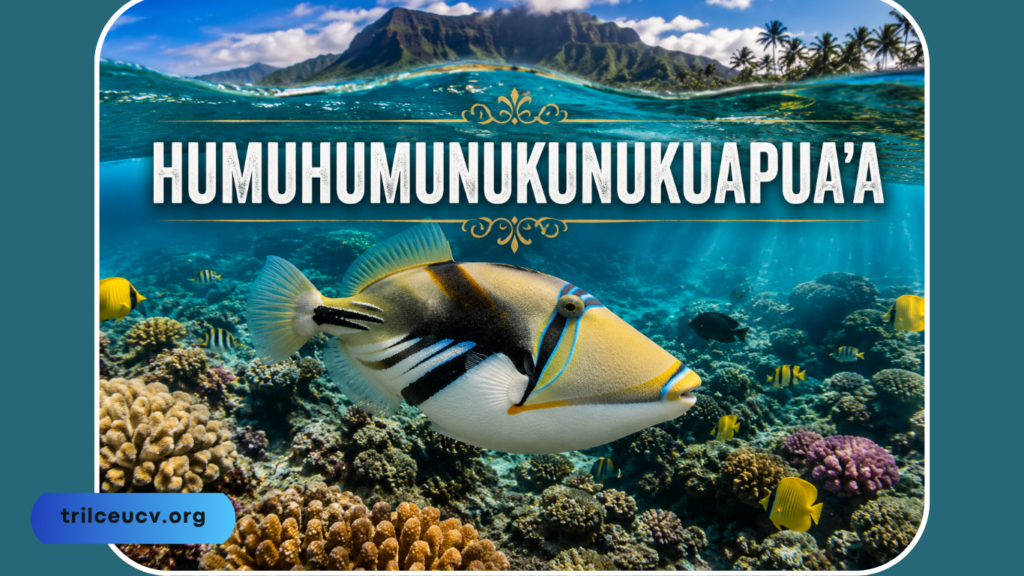
This fish is commonly called the reef triggerfish in English. It inhabits warm tropical waters throughout the Indo-Pacific region, though it is especially famous in Hawaii due to its cultural significance and status as the state fish. Its body features striking color patterns, including shades of yellow, blue, black, and white, making it easy to identify underwater.
One of the most remarkable features of the humuhumunukunukuapua’a is its unusual appearance. The fish has a laterally compressed body that allows it to navigate narrow spaces within coral reefs. Strong teeth help it crush shells, sea urchins, and crustaceans, enabling it to consume a wide variety of reef organisms.
Beyond its physical characteristics, the fish has become a symbol of Hawaiian marine biodiversity. Its popularity among tourists and marine biologists alike has made it one of the most recognized reef fish species in the Pacific Ocean. Learning about this animal provides valuable insight into the rich marine ecosystems that surround the Hawaiian Islands.
Meaning and Pronunciation of Humuhumunukunukuapua’a
One reason the humuhumunukunukuapua’a has gained worldwide attention is its exceptionally long Hawaiian name. For many people, pronouncing the word correctly becomes an entertaining challenge and an introduction to the Hawaiian language.
The name is often translated as “triggerfish with a snout like a pig.” In Hawaiian, the term reflects aspects of the fish’s appearance. Specifically, the word references the fish’s distinctive mouth and facial structure, which were thought to resemble a pig’s snout.
Pronunciation Guide
| Part | Pronunciation |
|---|---|
| Humu | Hoo-moo |
| Humu | Hoo-moo |
| Nuku | Noo-koo |
| Nuku | Noo-koo |
| Apua’a | Ah-poo-ah-ah |
Combined pronunciation:
Hoo-moo-hoo-moo-noo-koo-noo-koo-ah-poo-ah-ah
Learning the pronunciation offers more than just a linguistic exercise. It helps preserve and appreciate Hawaiian culture, language, and traditions. Many visitors to Hawaii enjoy practicing the name as part of their cultural experience, and it frequently appears in educational materials about Hawaiian wildlife.
The fish’s name has become so iconic that it is often featured in tourism campaigns, educational programs, and cultural discussions about Hawaii. Its memorable nature ensures that people remember both the fish and the unique language from which its name originates.
Physical Characteristics and Appearance
The humuhumunukunukuapua’a possesses a striking appearance that makes it one of the easiest reef fish to recognize. Its coloration combines several contrasting shades that help it blend into the vibrant coral reef environment while also making it visually distinctive.
Adults typically reach lengths of around 10 to 12 inches, although some individuals can grow larger. Their bodies are flattened from side to side, allowing them to maneuver efficiently through rocky reef formations and coral structures. This shape provides protection from predators and facilitates access to narrow feeding areas.
The fish displays an intricate combination of yellow, blue, white, black, and brown markings. A dark band often runs through the eye area, while blue lines accent parts of the face. These patterns help break up the fish’s outline, providing camouflage among reef habitats.
Another notable feature is the triggerfish family’s signature dorsal spine. The first dorsal spine can be locked upright, helping the fish wedge itself securely into reef crevices. This adaptation makes it difficult for predators to extract the fish from hiding places.
Key Physical Features
- Bright and colorful body patterns
- Strong beak-like teeth
- Oval, compressed body shape
- Trigger-like dorsal spine
- Powerful jaws for crushing prey
- Distinct facial markings
These characteristics contribute to the humuhumunukunukuapua’a’s reputation as one of the most visually fascinating fish found in Hawaiian waters. Its appearance reflects millions of years of evolutionary adaptation to life among coral reefs and rocky coastlines.
Natural Habitat and Geographic Distribution
The humuhumunukunukuapua’a thrives in tropical marine environments where coral reefs, rocky coastlines, and shallow lagoons provide abundant food and shelter. Although the fish is most commonly associated with Hawaii, its range extends throughout much of the Indo-Pacific region. Populations can be found from the eastern coast of Africa to islands scattered across the Pacific Ocean.
In Hawaiian waters, the fish is frequently observed in shallow reef areas where sunlight penetrates easily and supports rich marine biodiversity. These habitats contain coral formations, rocky outcrops, and sandy patches that offer ideal feeding and nesting opportunities. The fish often patrols specific territories, defending them from intruders and competing species.
Young humuhumunukunukuapua’a typically inhabit calmer, shallower waters where predators are less common. As they mature, they expand their range and establish territories within more complex reef environments. Their ability to adapt to various reef conditions contributes significantly to their widespread distribution.
The health of coral reefs directly impacts the well-being of this species. Coral ecosystems provide food, breeding grounds, and protection from predators. As reef habitats face pressures from climate change, pollution, and ocean warming, understanding the ecological requirements of the humuhumunukunukuapua’a becomes increasingly important. Protecting reef environments ensures the continued survival of not only this fish but also countless other marine organisms that depend on the same habitats.
Diet and Feeding Behavior
The humuhumunukunukuapua’a is an opportunistic carnivore with a varied diet that reflects the abundance of life found within coral reef ecosystems. Its powerful jaws and specialized teeth allow it to consume prey that many other reef fish cannot easily access.
Sea urchins, crustaceans, mollusks, worms, and small invertebrates form a significant portion of its diet. The fish uses its strong mouth to crush shells and break apart hard-bodied prey. This feeding strategy enables it to exploit food sources hidden within coral crevices and rocky surfaces.
Unlike some fish that rely solely on speed to capture prey, the humuhumunukunukuapua’a combines intelligence, persistence, and physical strength. It carefully inspects reef surfaces and often turns over small rocks in search of hidden organisms. This behavior demonstrates a level of resourcefulness that contributes to its success as a reef predator.
Researchers have observed triggerfish using bursts of water from their mouths to uncover prey buried beneath sand. Such behavior highlights their adaptability and problem-solving abilities. Their feeding activities also influence reef ecology by helping regulate populations of certain invertebrates.
A balanced reef ecosystem depends on species like the humuhumunukunukuapua’a. By feeding on sea urchins and other organisms, the fish helps maintain ecological balance and supports healthy coral communities. Its role within the food web illustrates how even a single species can have a meaningful impact on the broader marine environment.
Unique Behaviors and Adaptations
One of the reasons the humuhumunukunukuapua’a fascinates marine biologists is its collection of unique behavioral and physical adaptations. These traits have evolved over millions of years, allowing the species to survive and thrive in challenging reef environments.
Perhaps the most famous adaptation is the trigger mechanism that gives triggerfish their common name. The first dorsal spine can be locked into an upright position using a second spine. When threatened, the fish wedges itself into a crevice and locks the spine, making it extremely difficult for predators to pull it out.
The species is also known for its territorial nature. Individuals actively defend feeding and nesting areas from other fish. During breeding season, this territorial behavior becomes even more pronounced, with adults aggressively protecting eggs and nesting sites.
Another fascinating adaptation involves their swimming style. Unlike many fish that rely primarily on tail movement, humuhumunukunukuapua’a often uses its dorsal and anal fins for precise maneuvering. This method allows excellent control when navigating complex reef structures.
The fish also displays remarkable intelligence compared to many reef species. It learns feeding locations, remembers territorial boundaries, and adjusts its behavior based on environmental conditions. Such adaptability contributes significantly to its success throughout the Indo-Pacific region.
These behavioral characteristics showcase the evolutionary sophistication of the humuhumunukunukuapua’a and explain why it remains one of the most intriguing species inhabiting tropical coral reefs.
Life Cycle and Reproduction
The life cycle of the humuhumunukunukuapua’a begins when adult fish gather for spawning activities in suitable reef habitats. Reproduction generally occurs in areas where environmental conditions support egg survival and juvenile development.
Female triggerfish lay eggs in carefully selected nesting sites, often on sandy patches near reefs. After laying the eggs, the female remains nearby to guard them from predators. This level of parental care is relatively uncommon among many fish species and significantly improves offspring survival rates.
Male fish also participate in territorial defense during the breeding period. Both parents may display aggressive behavior toward potential threats, including larger fish and even human divers who venture too close to nesting areas. Such dedication highlights the importance of reproductive success in the species’ survival strategy.
After hatching, larvae drift with ocean currents before settling into suitable reef habitats. During this vulnerable stage, many young fish become prey for larger marine animals. Those that survive gradually develop the coloration, body shape, and behaviors characteristic of adults.
Life Cycle Stages
| Stage | Description |
|---|---|
| Egg | Deposited in protected nesting areas |
| Larva | Drifts with ocean currents |
| Juvenile | Settles in shallow reef habitats |
| Adult | Establishes territory and reproduces |
The transition from larva to adult involves significant growth and adaptation. Each stage presents unique challenges, making survival dependent on favorable environmental conditions and healthy reef ecosystems.
Why Humuhumunukunukuapua’a Is Hawaii’s State Fish
The humuhumunukunukuapua’a occupies a special place in Hawaiian culture and identity. Its designation as Hawaii’s state fish reflects both its uniqueness and its longstanding connection to the islands’ marine heritage.
The fish was originally selected as Hawaii’s state fish in 1985. Although the designation temporarily expired due to legislative technicalities, public affection for the species remained strong. In 2006, the state officially reinstated the humuhumunukunukuapua’a as Hawaii’s state fish, solidifying its symbolic status.
Its popularity stems from several factors. The fish possesses a memorable name, vibrant appearance, and strong cultural ties to traditional Hawaiian knowledge. Visitors often encounter it while snorkeling, making it one of the most recognizable marine species associated with Hawaii.
Beyond tourism, the fish serves as a reminder of Hawaii’s rich marine biodiversity. The surrounding Pacific waters contain thousands of species that contribute to the ecological and cultural fabric of the islands. By celebrating the humuhumunukunukuapua’a, Hawaii also promotes awareness of marine conservation and environmental stewardship.
The fish frequently appears in educational materials, souvenirs, artwork, and cultural events. Its iconic status demonstrates how wildlife can become an important symbol of regional identity while inspiring appreciation for nature and conservation efforts.
Cultural Significance in Hawaiian Traditions
Long before becoming a state symbol, the humuhumunukunukuapua’a held meaning within Hawaiian culture and traditional knowledge systems. Native Hawaiians developed a deep understanding of marine life through generations of observation, fishing practices, and cultural storytelling.
In Hawaiian traditions, fish often carried symbolic meanings and practical importance. Communities relied on healthy marine ecosystems for food, transportation, and cultural practices. The humuhumunukunukuapua’a became one of many species recognized within traditional ecological knowledge.
Its distinctive appearance and unusual name contributed to its cultural visibility. Oral traditions and local stories helped preserve knowledge about marine species, their behaviors, and their ecological roles. Such knowledge supported sustainable fishing practices and reinforced respect for ocean resources.
Today, the fish continues to serve as a cultural ambassador for Hawaiian heritage. Educational programs frequently use it as an entry point for discussing Hawaiian language, conservation, and traditional environmental stewardship. Its name encourages people to engage with Hawaiian culture while learning about the natural world.
The ongoing popularity of the humuhumunukunukuapua’a illustrates how cultural identity and biodiversity can be closely connected. Preserving both the species and the traditions associated with it helps ensure that future generations can appreciate Hawaii’s unique heritage.
Role in Coral Reef Ecosystems
The humuhumunukunukuapua’a plays an important ecological role within coral reef communities. While many people admire the fish for its appearance and unique name, its contribution to reef health is equally significant. Every species within a reef ecosystem has a function, and the reef triggerfish is no exception.
As a predator of sea urchins, crustaceans, and various invertebrates, the fish helps regulate populations that could otherwise grow unchecked. Maintaining balanced populations is essential because excessive numbers of certain organisms can damage coral structures or disrupt ecological relationships. Through its feeding activities, the humuhumunukunukuapua’a contributes to the stability of reef environments.
The species also serves as prey for larger marine predators. This position within the food web connects multiple trophic levels and supports energy transfer throughout the ecosystem. Healthy populations of reef triggerfish indicate that reefs are providing adequate food resources and habitat conditions.
Coral reefs themselves depend on complex interactions among countless organisms. Fish, corals, algae, invertebrates, and microorganisms all influence one another. The humuhumunukunukuapua’a participates in this network by helping shape species composition and maintaining ecological balance.
Scientists often view reef fish populations as indicators of environmental health. Changes in triggerfish abundance may signal broader shifts occurring within reef ecosystems. For this reason, studying species such as the humuhumunukunukuapua’a helps researchers understand how reefs respond to natural and human-induced environmental changes.
Common Predators and Survival Strategies
Although the humuhumunukunukuapua’a is a capable and sometimes aggressive fish, it still faces threats from numerous marine predators. Survival in the ocean requires constant vigilance, effective defenses, and specialized adaptations that reduce the risk of predation.
Large predatory fish such as groupers, jacks, sharks, and certain eels may prey upon juvenile and adult triggerfish. Young individuals are especially vulnerable because they lack the size and strength of mature adults. As a result, juvenile fish often remain in sheltered areas where they can avoid encounters with predators.
One of the fish’s most effective defense mechanisms is its trigger spine system. When danger approaches, it can wedge itself into a narrow crevice and lock its dorsal spine upright. This action makes extraction extremely difficult, discouraging predators from continuing their attack.
Coloration also contributes to survival. The fish’s markings help it blend into the visually complex reef environment. Coral structures, shadows, and varying light conditions create natural camouflage opportunities that reduce visibility to predators.
Additional survival strategies include territorial awareness, rapid maneuverability, and aggressive defensive behavior. When threatened, the humuhumunukunukuapua’a may confront potential predators rather than immediately flee. These combined adaptations have helped the species remain successful across a vast geographic range throughout the Indo-Pacific region.
Conservation Status and Environmental Challenges
At present, the humuhumunukunukuapua’a is not considered globally endangered. However, like many reef-associated species, it faces challenges linked to the health of coral reef ecosystems. Protecting these habitats remains critical for the fish’s long-term survival.
One major concern is coral reef degradation. Rising ocean temperatures contribute to coral bleaching events that weaken reef ecosystems and reduce available habitat for countless marine organisms. As coral structures decline, fish that depend on them may experience population pressures.
Pollution presents another threat. Plastic waste, agricultural runoff, and coastal development can negatively affect water quality. These impacts influence food availability, reproductive success, and overall ecosystem stability. Even species that appear resilient can suffer when environmental conditions deteriorate.
Overfishing in some regions may also alter reef food webs. Although the humuhumunukunukuapua’a is not typically targeted on a large commercial scale, disruptions to reef ecosystems can indirectly affect its population dynamics. The loss of key species often produces cascading ecological consequences.
Major Threats to Reef Ecosystems
- Coral bleaching
- Ocean warming
- Plastic pollution
- Coastal habitat destruction
- Unsustainable fishing practices
- Water quality degradation
Conservation efforts focusing on marine protected areas, reef restoration, and sustainable tourism help support the future of the humuhumunukunukuapua’a and countless other reef species. Preserving biodiversity requires coordinated action from governments, scientists, communities, and visitors alike.
Humuhumunukunukuapua’a and Tourism in Hawaii
Tourism and marine wildlife are closely connected in Hawaii, and the humuhumunukunukuapua’a has become one of the islands’ most beloved underwater attractions. Visitors often encounter the fish while snorkeling, scuba diving, or exploring coastal reef environments.
The fish’s colorful appearance and memorable name make it especially popular among travelers. Many tourists first learn about Hawaiian marine life through encounters with this species. Seeing a humuhumunukunukuapua’a in its natural habitat often becomes a memorable highlight of a Hawaiian vacation.
Tour operators and educational programs frequently feature the fish when introducing visitors to reef ecosystems. Because the species is relatively common in suitable habitats, it provides an excellent opportunity for people to observe natural marine behavior firsthand.
Tourism also creates opportunities for environmental education. Guides often use sightings of the humuhumunukunukuapua’a to explain coral reef ecology, marine conservation, and Hawaiian cultural traditions. Such experiences encourage visitors to develop a greater appreciation for ocean ecosystems.
Responsible tourism practices are important for protecting reef habitats. Maintaining safe distances from marine life, avoiding contact with coral, and following local environmental guidelines help ensure that future generations can continue enjoying encounters with Hawaii’s famous state fish.
Interesting Facts About Humuhumunukunukuapua’a
The humuhumunukunukuapua’a is filled with fascinating characteristics that continue to captivate scientists, tourists, and marine enthusiasts around the world. Its combination of cultural significance, unusual behavior, and striking appearance makes it one of the most interesting fish in the Pacific Ocean.
Many people know the fish primarily because of its extraordinarily long name, but its biological traits are equally impressive. Triggerfish are among the most intelligent reef fish, displaying complex behaviors and impressive adaptability. Their ability to manipulate objects and locate hidden prey demonstrates advanced problem-solving skills.
The fish can move each eye independently, allowing it to monitor its surroundings more effectively. This adaptation helps detect predators and locate food simultaneously. Such visual flexibility is particularly useful within crowded reef environments.
Fun Facts
- It is Hawaii’s official state fish.
- Its scientific name is Rhinecanthus rectangulus.
- It belongs to the triggerfish family.
- The name roughly means “fish with a pig-like snout.”
- It can lock itself into reef crevices using its dorsal spine.
- It uses strong teeth to crush shells and sea urchins.
- It is found throughout the Indo-Pacific region.
- It is one of Hawaii’s most photographed reef fish.
These facts illustrate why the humuhumunukunukuapua’a has achieved global recognition despite being relatively small compared to many marine animals.
How to Spot a Humuhumunukunukuapua’a While Snorkeling
For travelers hoping to see a humuhumunukunukuapua’a in the wild, snorkeling provides one of the best opportunities. The fish frequently inhabits shallow reef environments where clear water allows excellent visibility.
Early morning hours often provide ideal viewing conditions. Calm water and increased fish activity make it easier to observe reef species before beaches become crowded. Popular snorkeling areas with healthy coral reefs frequently host resident triggerfish populations.
When searching for the fish, look near rocky formations, coral heads, and sandy reef edges. The humuhumunukunukuapua’a often patrols territories while inspecting surfaces for food. Its distinctive colors and angular body shape usually make identification straightforward.
Snorkelers should move slowly and avoid chasing marine life. Triggerfish may become defensive if they feel threatened, especially during nesting season. Observing from a respectful distance provides the best experience for both visitors and wildlife.
Many first-time observers are surprised by how active and curious these fish can be. Watching a humuhumunukunukuapua’a forage among corals offers a fascinating glimpse into the daily life of one of Hawaii’s most iconic marine species.
Humuhumunukunukuapua’a Compared to Other Triggerfish Species
Although the humuhumunukunukuapua’a is perhaps the most famous triggerfish, it is only one member of a diverse family that includes dozens of species distributed throughout tropical and subtropical oceans.
Triggerfish Comparison Table
| Feature | Humuhumunukunukuapua’a | Picasso Triggerfish | Titan Triggerfish |
|---|---|---|---|
| Scientific Name | Rhinecanthus rectangulus | Rhinecanthus aculeatus | Balistoides viridescens |
| Average Size | 10–12 inches | 10–12 inches | Up to 30 inches |
| Habitat | Coral reefs | Coral reefs | Coral reefs and lagoons |
| Temperament | Territorial | Territorial | Highly aggressive |
| Hawaii State Fish | Yes | No | No |
The humuhumunukunukuapua’a shares many characteristics with related triggerfish species, including strong jaws, territorial behavior, and specialized dorsal spines. However, its cultural significance and distinctive name set it apart from its relatives.
Marine biologists continue studying triggerfish because of their complex behaviors and ecological importance. Comparing species helps researchers understand evolutionary adaptations and the diverse strategies fish use to thrive in reef ecosystems.
Conclusion
The humuhumunukunukuapua’a is far more than a fish with a long and difficult name. It is a remarkable marine species that represents the beauty, biodiversity, and cultural heritage of Hawaii. From its colorful appearance and unique trigger mechanism to its ecological role within coral reefs, every aspect of this fish reflects the extraordinary complexity of life beneath the ocean’s surface.
As Hawaii’s official state fish, the humuhumunukunukuapua’a continues to inspire curiosity among travelers, students, scientists, and nature lovers. Its presence in coral reef ecosystems highlights the importance of marine conservation and the need to protect fragile ocean habitats. By learning about this fascinating species, we gain a deeper appreciation for the interconnected relationships that sustain life in tropical seas.
Whether encountered while snorkeling in Hawaiian waters or studied from afar, the humuhumunukuapua’a remains one of the world’s most memorable and beloved reef fish.
FAQs
What is a humuhumunukunukuapua’a?
Humuhumunukunukuapua’a is the Hawaiian name for the reef triggerfish (Rhinecanthus rectangulus), a colorful tropical fish found in coral reef ecosystems.
Why is humuhumunukunukuapua’a famous?
It is famous because of its unusually long Hawaiian name, vibrant appearance, and status as Hawaii’s official state fish.
What does humuhumunukunukuapua’a mean?
The name is commonly translated as “triggerfish with a snout like a pig.”
Where does the humuhumunukunukuapua’a live?
It inhabits coral reefs and shallow tropical waters throughout the Indo-Pacific region, including Hawaii.
What does the humuhumunukunukuapua’a eat?
Its diet includes sea urchins, crustaceans, mollusks, worms, and other small marine invertebrates.
Is the humuhumunukunukuapua’a endangered?
The species is not currently considered endangered, but it depends on healthy coral reef ecosystems that face environmental threats.
How do you pronounce humuhumunukunukuapua’a?
A common pronunciation is: Hoo-moo-hoo-moo-noo-koo-noo-koo-ah-poo-ah-ah.
Can you see humuhumunukunukuapua’a while snorkeling in Hawaii?
Yes. It is commonly seen in shallow reef areas and is one of the most recognizable fish encountered by snorkelers in Hawaii.