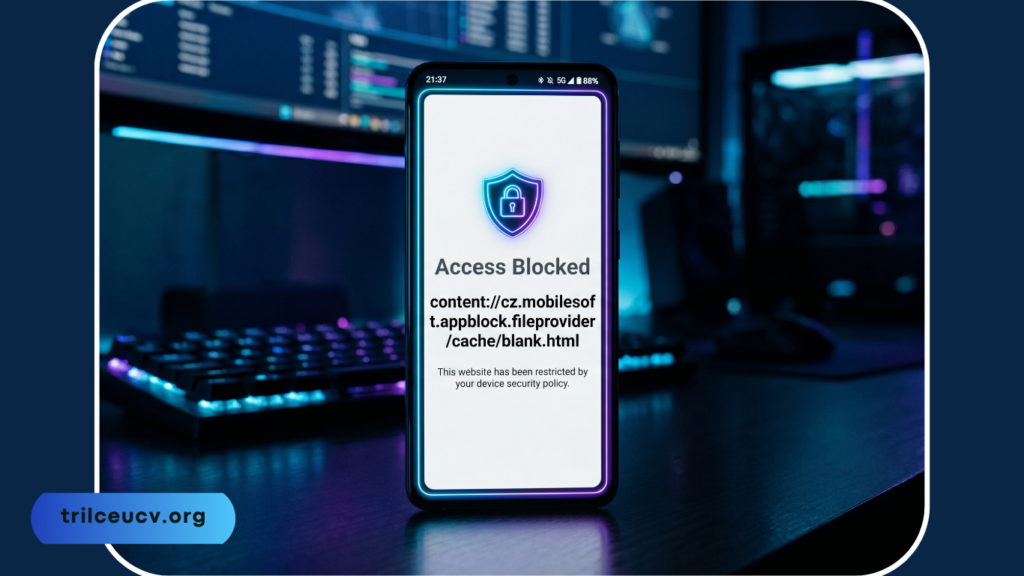
content://cz.mobilesoft.appblock.fileprovider/cache/blank.html
The keyword “content://cz.mobilesoft.appblock.fileprovider/cache/blank.html” might look confusing at first glance, but it actually represents a very specific type of file reference used within Android devices. If you’ve ever encountered this string while using apps, blocking distractions, or managing files, you’re not alone. Many users come across it without understanding what it means, whether it’s safe, or how to fix issues related to it. This guide breaks everything down in a clear, practical way so you can fully understand and handle it with confidence.
What Is content://cz.mobilesoft.appblock.fileprovider/cache/blank.html
This keyword refers to a content URI used by an Android application, specifically associated with the AppBlock app. In Android systems, “content://” is a scheme used to access data through content providers rather than direct file paths. This makes data sharing between apps more secure and controlled.
The segment “cz.mobilesoft.appblock.fileprovider” identifies the specific provider within the AppBlock application responsible for managing file access. The “cache/blank.html” portion typically points to a temporary or placeholder HTML file stored in the app’s cache directory.
In simpler terms, this path is not a website or a harmful link. It’s an internal file reference used by an app to manage temporary content, often related to blocking web pages or displaying blank screens when restrictions are applied.
Understanding Android Content URIs
Content URIs are a core part of how Android manages data securely. Instead of giving direct access to files stored on the device, apps use content providers to serve data when needed. This ensures better privacy and prevents unauthorized access.
When you see a “content://” URL, it means the file is being accessed through a controlled interface. This is especially important for apps like AppBlock, which need to intercept and manage content without exposing raw file paths.
These URIs also help apps maintain compatibility across different Android versions, making them a standard approach in modern app development.
Role of AppBlock in Generating This File Path
AppBlock is designed to help users stay focused by blocking distracting apps and websites. When it blocks a website, it may redirect the request to a blank page. That’s where “blank.html” comes into play.
The app uses this file as a placeholder to replace blocked content. Instead of loading the actual website, it loads a blank or controlled page, effectively preventing access.
This mechanism ensures a seamless blocking experience without crashing the browser or causing unexpected errors.
Why You Might Encounter This Path
You might see this file path in several situations. For example, when trying to open a blocked website, when inspecting browser activity, or when debugging app behavior.
Sometimes it may appear in logs, notifications, or even error messages. This can be confusing if you’re not familiar with Android’s internal workings.
However, in most cases, it’s simply an indication that AppBlock is doing its job and redirecting restricted content.
Is content://cz.mobilesoft.appblock.fileprovider/cache/blank.html Safe
Yes, this file path is generally safe. It is not a virus, malware, or suspicious link. It is created and managed by a legitimate app for functional purposes.
Since it resides in the app’s cache directory, it does not contain sensitive or permanent data. It is temporary and can be cleared without affecting your device’s core functionality.
However, if you notice unusual behavior, it’s always a good idea to check app permissions and ensure your apps are updated.
Common Issues Associated With This File Path
While the file itself is harmless, users may experience issues related to it. These can include blank screens, blocked pages not loading properly, or confusion when seeing the path in logs.
Such issues are usually caused by app misconfigurations, outdated versions, or conflicts with other apps.
Understanding the root cause helps in resolving these problems quickly without unnecessary troubleshooting.
How Cache Files Work in Android Apps
Cache files are temporary data stored by apps to improve performance. Instead of loading everything from scratch, apps reuse cached data for faster access.
The “cache/blank.html” file is one such example. It exists temporarily and can be deleted at any time without affecting the app’s core functionality.
Clearing cache can often resolve issues related to outdated or corrupted files.
Cache File Characteristics
| Feature | Description |
|---|---|
| Temporary Storage | Files are not permanent |
| Performance Boost | Speeds up app loading |
| Safe to Delete | Can be cleared anytime |
| App-Specific | Managed by individual apps |
How to Fix Problems Related to This File Path
If you’re facing issues, there are several practical solutions. The most common fix is clearing the app’s cache. This removes temporary files and forces the app to regenerate them.
Another effective method is updating the app. Developers frequently release updates to fix bugs and improve compatibility.
If problems persist, reinstalling the app can help reset its configuration completely.
Clearing Cache to Resolve Errors
Clearing cache is one of the simplest and most effective solutions. It removes temporary files that may be causing conflicts or errors.
To do this, go to your device settings, find the AppBlock app, and select “Clear Cache.” This process does not delete your personal data or settings.
After clearing the cache, restart the app and check if the issue is resolved.
Updating AppBlock for Better Performance
Outdated apps can lead to compatibility issues and unexpected behavior. Updating AppBlock ensures you have the latest features and bug fixes.
Developers continuously improve their apps, and updates often include performance optimizations and security enhancements.
Keeping your apps updated is a good practice for maintaining a smooth and secure experience.
Reinstalling the App for a Fresh Start
If clearing cache and updating doesn’t work, reinstalling the app can be a reliable solution. This removes all app data and installs a fresh version.
Reinstallation helps eliminate corrupted files or misconfigurations that may be causing issues.
Make sure to back up any important settings before uninstalling the app.
How AppBlock Uses Blank HTML Files
The blank HTML file plays a key role in blocking functionality. Instead of showing an error, AppBlock loads this file to display a clean, empty page.
This approach provides a smoother user experience and avoids confusion caused by broken links or error messages.
It also ensures that blocked content is effectively hidden from the user.
Troubleshooting Blank Screen Issues
Blank screens can sometimes be frustrating, especially if they appear unexpectedly. In most cases, they are intentional when using AppBlock.
However, if they appear outside of expected scenarios, it may indicate a configuration issue or app conflict.
Checking app settings and permissions can help identify the root cause.
Managing App Permissions and Settings
Permissions play a crucial role in how apps function. AppBlock requires certain permissions to block content effectively.
If permissions are restricted, the app may not work as intended, leading to unexpected behavior.
Reviewing and adjusting permissions can help ensure the app operates smoothly.
Important Permissions to Check
- Accessibility access
- Usage access
- Storage permissions
Differences Between File Paths and Content URIs
Understanding the difference between file paths and content URIs is essential. File paths provide direct access to files, while content URIs use a secure interface.
Content URIs are safer and more flexible, making them the preferred method in modern Android systems.
This distinction helps explain why the keyword appears in this format.
Best Practices for Avoiding Related Issues
To minimize issues, follow a few simple best practices. Keep your apps updated, regularly clear cache, and avoid installing conflicting apps.
Maintaining your device properly ensures a smooth and trouble-free experience.
Being proactive can save time and prevent unnecessary frustration.
Table Comparing Solutions
| Solution | Effectiveness | Difficulty | Recommended |
|---|---|---|---|
| Clear Cache | High | Easy | Yes |
| Update App | High | Easy | Yes |
| Reinstall App | Very High | Medium | Yes |
| Check Permissions | Medium | Easy | Yes |
Key Takeaways
- The file path is safe and app-generated
- It is used for blocking content
- Issues can be fixed بسهولة with simple steps
- Regular maintenance prevents problems
Conclusion
The keyword “content://cz.mobilesoft.appblock.fileprovider/cache/blank.html” may seem complex, but it is simply an internal mechanism used by the AppBlock app to manage blocked content. It is safe, temporary, and plays an important role in maintaining focus by preventing access to distracting websites. Understanding how it works allows you to troubleshoot issues effectively and use your device more efficiently. With simple steps like clearing cache, updating apps, and managing permissions, you can ensure a smooth and hassle-free experience.
FAQs
What does content://cz.mobilesoft.appblock.fileprovider/cache/blank.html mean
It is a content URI used by the AppBlock app to display a blank page when blocking websites.
Is this file harmful
No, it is completely safe and used for app functionality.
Why do I see a blank page
The blank page appears when a website is blocked by AppBlock.
Can I delete this file
Yes, clearing the app cache will remove it without any issues.
How do I fix problems related to it
You can clear cache, update the app, or reinstall it to resolve issues.