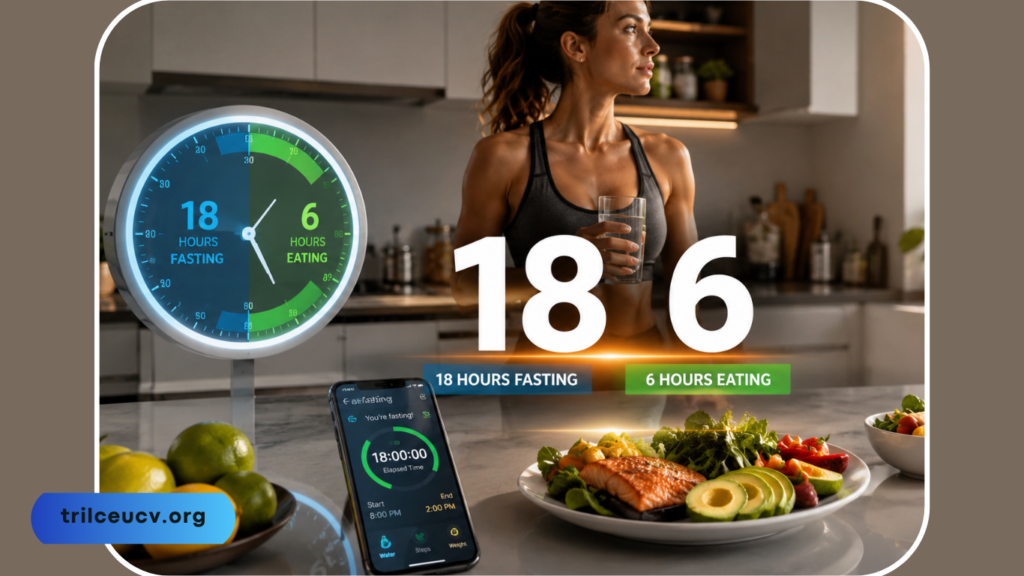
18 6
Intermittent fasting has become one of the most discussed health and wellness trends in recent years, but among all fasting methods, the 18 6 fasting schedule stands out for people who want faster results while still maintaining flexibility. Whether your goal is weight loss, better metabolism, improved energy levels, or healthier eating habits, the 18 6 method offers a practical and structured approach that many beginners and experienced fasters prefer.
The 18 6 fasting method involves fasting for 18 hours and eating within a 6-hour eating window. During the fasting period, people usually consume water, black coffee, or unsweetened tea while avoiding calorie intake. This approach may help the body shift into fat-burning mode more effectively than shorter fasting schedules. Many individuals choose this eating pattern because it is simpler than strict diets and focuses more on timing than calorie counting.
In this complete guide, you will learn everything about 18 6 intermittent fasting, including how it works, benefits, meal planning, mistakes to avoid, exercise strategies, weight loss expectations, and tips for long-term success. This article is designed to help beginners and advanced readers understand the science and practical application of this fasting method naturally and effectively.
What Is 18 6 Intermittent Fasting?
18 6 intermittent fasting is a time-restricted eating pattern where a person fasts for 18 hours and consumes all meals within a 6-hour window. For example, someone may eat between 1 PM and 7 PM while fasting from 7 PM until 1 PM the next day. During fasting hours, calorie-containing foods and beverages are avoided.
This fasting strategy is considered more advanced than the popular 16 8 fasting method because the fasting window is longer. The additional fasting hours may encourage the body to use stored fat for energy once glucose reserves become depleted. Many people use 18 6 fasting for fat loss, appetite control, improved eating discipline, and metabolic health.
Unlike traditional diets that focus heavily on restricting certain foods, the 18 6 method focuses more on meal timing. However, food quality still matters greatly. Nutrient-dense meals that include protein, healthy fats, fiber, vitamins, and minerals are essential for maintaining energy and avoiding nutritional deficiencies.
Another reason this fasting style is popular is its simplicity. Instead of preparing six small meals daily or constantly counting calories, many people find it easier to follow a consistent eating window. This can reduce mindless snacking and late-night eating habits that often contribute to weight gain.
How the 18 6 Fasting Schedule Works
The 18 6 fasting schedule works by extending the body’s fasting state long enough to trigger several metabolic changes. During the first few hours after eating, the body primarily uses glucose from food for energy. Once glucose levels decline, insulin levels begin to drop, and the body gradually transitions toward using stored fat as fuel.
During the fasting period, many people experience a process called metabolic switching. This occurs when the body shifts from burning sugar to burning fat. Extended fasting periods may also support cellular repair processes and improve insulin sensitivity. These mechanisms are often associated with better weight management and overall wellness.
A typical 18 6 fasting schedule may look different depending on a person’s lifestyle. Some people eat from 12 PM to 6 PM, while others choose 2 PM to 8 PM. The ideal schedule depends on work hours, family routines, exercise timing, and personal preference.
Consistency plays a major role in success. Frequently changing fasting hours can make it difficult for the body to adapt. Most experts recommend following the same schedule daily for better results. Drinking enough water during fasting hours is also extremely important because hydration supports energy levels, digestion, and appetite control.
Sample 18 6 Fasting Schedule Table
| Time | Activity |
|---|---|
| 7:00 AM | Water, black coffee, or tea |
| 12:00 PM | Continue fasting |
| 1:00 PM | First balanced meal |
| 4:00 PM | Healthy snack or small meal |
| 6:30 PM | Final meal |
| 7:00 PM | Begin fasting period |
Major Health Benefits of 18 6 Fasting
One of the biggest reasons people choose 18 6 intermittent fasting is its potential health benefits. Research on intermittent fasting continues to grow, and many studies suggest that fasting may positively influence metabolism, weight control, and blood sugar management.
Weight loss is one of the most commonly reported benefits. Because the eating window is shorter, many individuals naturally reduce calorie intake without intentionally dieting. Additionally, the body may rely more heavily on stored fat during extended fasting periods, which can contribute to fat reduction over time.
Another important benefit is improved insulin sensitivity. Lower insulin levels during fasting may help the body manage blood sugar more efficiently. Some people also report reduced cravings and improved appetite regulation after adapting to the fasting routine.
Many followers of the 18 6 method also mention mental clarity and stable energy levels. Since blood sugar fluctuations may become less dramatic, some individuals feel more focused throughout the day. There is also ongoing research into fasting and cellular repair processes such as autophagy, where damaged cells are removed and recycled.
Potential benefits of 18 6 fasting include:
- Better appetite control
- Reduced snacking habits
- Improved fat burning
- Simpler meal planning
- Possible metabolic health improvements
- Increased eating discipline
- Potential support for heart health markers
Weight Loss and Fat Burning With 18 6 Fasting
The 18 6 fasting method is widely associated with weight loss because it combines calorie control with extended fasting periods. While fasting itself is not magic, it can create conditions that make fat loss easier for many people.
During prolonged fasting, insulin levels decrease, allowing the body easier access to stored fat for energy. This process may help accelerate fat burning compared to constantly eating throughout the day. Since many people naturally eat fewer meals during a 6-hour eating window, total calorie intake often decreases as well.
However, weight loss success still depends heavily on food quality and portion sizes. Eating large amounts of processed foods, sugary snacks, or excessive calories during the eating window can reduce or completely eliminate progress. The most successful fasting plans combine meal timing with balanced nutrition.
Exercise can further support fat loss during 18 6 fasting. Strength training helps preserve muscle mass, while walking, cycling, and cardio workouts increase calorie expenditure. Some individuals prefer exercising during fasting hours, while others perform better after eating. Finding the right balance is important for sustainability.
Estimated Weight Loss Expectations Table
| Time Period | Possible Results |
|---|---|
| First Week | Water weight changes and appetite adjustment |
| 2–4 Weeks | Improved eating control and gradual fat loss |
| 1–3 Months | Noticeable body composition improvements |
| Long Term | Sustainable weight management with consistency |
Best Foods to Eat During the 6-Hour Window
Food quality is extremely important when following 18 6 intermittent fasting. Since the eating window is shorter, every meal should provide essential nutrients that support energy, muscle maintenance, digestion, and overall health.
Protein-rich foods are especially important because they help maintain muscle mass and increase fullness. Good options include chicken, eggs, fish, yogurt, beans, tofu, and lean meats. Healthy fats from avocados, nuts, seeds, and olive oil may also support satiety and stable energy levels.
Complex carbohydrates such as brown rice, oats, sweet potatoes, fruits, and vegetables provide fiber and long-lasting energy. Fiber-rich foods are valuable because they improve digestion and help control hunger during fasting hours.
Highly processed foods, sugary drinks, excessive fast food, and refined carbohydrates may lead to energy crashes and increased cravings. Many people notice significantly better fasting results when they focus on whole foods instead of convenience foods.
Recommended Foods for 18 6 Fasting
| Food Category | Examples |
|---|---|
| Protein | Chicken, eggs, fish, tofu, beans |
| Healthy Fats | Avocado, nuts, olive oil |
| Carbohydrates | Brown rice, oats, sweet potatoes |
| Vegetables | Spinach, broccoli, carrots |
| Fruits | Berries, apples, bananas |
| Hydration | Water, herbal tea, black coffee |
Common Mistakes People Make With 18 6 Fasting
Many beginners struggle with intermittent fasting because they unknowingly make mistakes that reduce results or make the routine difficult to maintain. Understanding these problems early can improve the fasting experience significantly.
One major mistake is overeating during the eating window. Some people assume fasting allows unlimited food intake, but excessive calories can still lead to weight gain. Balanced portion control remains important even with restricted eating hours.
Another common issue is poor hydration. During fasting hours, the body still requires water for normal functioning. Dehydration can lead to headaches, fatigue, and stronger hunger sensations. Drinking enough water throughout the day is essential.
Skipping nutrient-dense foods is another problem. Eating mostly junk food during the eating window can leave the body lacking protein, fiber, and vitamins. This often results in low energy and stronger cravings.
Some people also start with fasting periods that are too aggressive. Transitioning gradually from 12 12 or 16 8 fasting to 18 6 fasting can help the body adapt more comfortably.
How Beginners Can Start 18 6 Intermittent Fasting
Starting 18 6 fasting may feel challenging initially, especially for people used to eating breakfast early in the morning or snacking throughout the day. Fortunately, gradual adjustments can make the process easier and more sustainable.
A helpful strategy is beginning with a shorter fasting window such as 12 12 or 14 10 before progressing toward 18 hours. This allows the body and appetite hormones time to adapt. Jumping directly into long fasting periods can sometimes cause intense hunger or low energy.
Choosing the right eating window is equally important. People should select hours that fit naturally into their daily schedule. For example, someone who enjoys family dinners may prefer eating from 2 PM to 8 PM rather than skipping evening meals.
Meal preparation also improves success. Planning balanced meals in advance reduces the temptation to break the fast with unhealthy foods. Keeping healthy snacks available can also prevent overeating during meals.
Beginners should pay attention to how their body responds. Mild hunger during adjustment is normal, but severe dizziness or extreme fatigue may indicate the need for dietary adjustments or professional guidance.
The Science Behind Fasting and Metabolism
The popularity of intermittent fasting has increased scientific interest in how fasting affects metabolism and overall health. During fasting periods, several hormonal and metabolic changes occur that may influence body composition and energy usage.
Insulin levels typically decrease during fasting. Lower insulin may support fat breakdown because the body becomes less focused on storing energy and more focused on using stored reserves. This is one reason fasting is commonly associated with fat loss.
Human growth hormone levels may also increase during fasting periods. Growth hormone plays a role in muscle maintenance and metabolism. Some researchers believe this may help preserve lean muscle while the body uses fat for energy.
Another area of research involves autophagy, a process where cells remove damaged components and recycle materials. Scientists continue studying how fasting influences cellular repair and long-term health. While research is ongoing, these findings contribute to growing interest in fasting-based eating patterns.
It is important to remember that metabolism is influenced by many factors, including sleep quality, stress, genetics, activity levels, and food choices. Fasting works best when combined with healthy lifestyle habits.
Exercise and Fitness During 18 6 Fasting
Many people wonder whether exercise is safe or effective while following the 18 6 fasting method. In most cases, exercise can be combined successfully with intermittent fasting, although proper nutrition and hydration remain extremely important.
Strength training is especially beneficial because it helps preserve muscle mass during weight loss. Protein intake during the eating window becomes even more important for active individuals. Resistance exercises such as weightlifting, bodyweight training, and resistance bands can support long-term fitness goals.
Cardio workouts like walking, jogging, cycling, and swimming may also complement fasting. Some individuals prefer fasted cardio because they feel lighter and more energized before eating. Others perform better after meals. Personal preference and energy levels should guide workout timing.
Recovery is another key factor. Lack of proper recovery, sleep, or nutrition can negatively affect performance. People who engage in intense athletic training may need additional calories or a modified fasting schedule.
Fitness Tips for 18 6 Fasting
- Stay hydrated before and after workouts
- Prioritize protein intake
- Avoid extremely intense exercise during adjustment periods
- Listen to your body’s energy signals
- Focus on consistency instead of perfection
Mental Clarity and Energy Levels During Fasting
Many individuals who follow the 18 6 fasting method report increased focus and mental clarity after adapting to the schedule. While experiences vary, several factors may contribute to these effects.
Frequent eating and high-sugar foods can sometimes cause energy fluctuations throughout the day. By reducing constant snacking and stabilizing eating patterns, some people feel fewer crashes and more consistent energy.
Fasting may also encourage improved awareness of hunger habits and emotional eating patterns. Instead of eating out of boredom or habit, people often become more intentional about meals. This psychological shift may improve overall eating discipline.
However, adjustment periods are common. During the first few days or weeks, some people experience temporary fatigue, irritability, or concentration issues as the body adapts. Proper hydration, sleep, and balanced meals usually help reduce these symptoms.
Mental performance is also heavily influenced by lifestyle habits outside of fasting. Stress management, exercise, hydration, and sleep quality all contribute to cognitive function and daily productivity.
Comparing 18 6 Fasting to Other Intermittent Fasting Methods
Intermittent fasting includes several popular schedules, and each method offers different levels of flexibility and intensity. Understanding these differences helps individuals choose the approach that best fits their goals and lifestyle.
The 16 8 method is the most common beginner fasting schedule. It involves fasting for 16 hours and eating within 8 hours. Many people transition from 16 8 to 18 6 once they become comfortable with shorter fasting periods.
The 20 4 method, sometimes called the warrior diet, is more restrictive and may feel difficult for beginners. OMAD, or One Meal a Day, is even more extreme because all calories are consumed in a single meal.
Compared to these approaches, 18 6 provides a middle ground. It is stricter than 16 8 but usually easier to sustain than OMAD or 20 4 fasting. The longer fasting period may support enhanced fat burning while still allowing enough time for balanced meals.
Choosing the best fasting method depends on individual goals, work schedules, activity levels, and personal comfort. Sustainability matters more than selecting the most extreme option.
Hydration and Drinks Allowed During Fasting
Hydration is one of the most important yet overlooked aspects of intermittent fasting. Since the body continues losing water through breathing, sweating, and normal functions during fasting hours, maintaining fluid intake is essential.
Water is the best choice during fasting because it supports digestion, circulation, temperature regulation, and energy levels. Many people also drink black coffee or unsweetened tea since these beverages contain minimal or no calories.
Electrolytes may become important for people fasting regularly, especially during hot weather or intense exercise. Low electrolyte levels can contribute to headaches, muscle cramps, and fatigue.
Sugary beverages, soft drinks, sweetened coffee, energy drinks, and fruit juices generally break the fast because they contain calories and sugar. Many fasting experts recommend avoiding these drinks during fasting hours.
People who struggle with hunger during fasting often find that staying hydrated helps reduce cravings. Sometimes thirst can be mistaken for hunger, especially during the adjustment phase.
Is 18 6 Fasting Safe for Everyone?
Although many healthy adults practice intermittent fasting successfully, the 18 6 method may not be appropriate for everyone. Individual health conditions, nutritional needs, and lifestyle factors should always be considered.
People with certain medical conditions, including diabetes, eating disorders, or chronic illnesses, should speak with a healthcare professional before beginning prolonged fasting routines. Medication schedules and blood sugar management may require adjustments.
Teenagers who are still growing should focus primarily on balanced nutrition, healthy habits, and professional medical guidance rather than aggressive dieting strategies. Pregnant individuals, breastfeeding mothers, and people with nutritional deficiencies may also require different dietary approaches.
Safety depends heavily on proper nutrition. A poorly planned fasting diet that lacks vitamins, minerals, protein, or calories can lead to fatigue and health complications. Balanced eating remains essential regardless of fasting schedules.
Listening to the body is extremely important. Persistent weakness, dizziness, severe headaches, or unhealthy relationships with food should never be ignored.
How to Build a Sustainable 18 6 Lifestyle
Long-term success with intermittent fasting depends on sustainability rather than short-term motivation. Many people fail because they follow unrealistic routines that are impossible to maintain consistently.
Flexibility is one of the best ways to create a sustainable fasting lifestyle. Occasional social events, family dinners, or travel days do not automatically ruin progress. Consistency over months matters far more than perfection every single day.
Meal quality also plays a huge role in sustainability. Balanced meals that contain satisfying protein, fiber, and healthy fats reduce cravings and help individuals feel more comfortable during fasting hours.
Sleep, stress management, and physical activity should also be part of a healthy routine. Poor sleep and chronic stress can increase hunger hormones and make fasting more difficult.
Tracking progress beyond the scale can also improve motivation. Increased energy, improved eating habits, reduced snacking, and better fitness performance are valuable indicators of progress even when weight changes occur slowly.
Meal Planning Ideas for 18 6 Intermittent Fasting
Meal planning helps simplify the fasting process and reduces the temptation to choose unhealthy convenience foods. Since the eating window is limited, meals should be balanced, filling, and nutrient-rich.
A strong first meal often includes protein, complex carbohydrates, vegetables, and healthy fats. For example, grilled chicken with brown rice and vegetables provides long-lasting energy and important nutrients.
Snacks can include Greek yogurt, nuts, fruit, or boiled eggs. The final meal of the day should also focus on balanced nutrition rather than heavy processed foods that may cause bloating or poor sleep.
People with busy schedules may benefit from meal prepping in advance. Preparing meals ahead of time reduces stress and makes healthy eating more convenient.
Example Daily Meal Plan
| Meal Time | Example Meal |
|---|---|
| 1:00 PM | Grilled chicken, rice, vegetables |
| 4:00 PM | Greek yogurt with berries and nuts |
| 6:30 PM | Salmon, sweet potato, salad |
Signs That Your 18 6 Fasting Routine Is Working
Progress during intermittent fasting can appear in many forms beyond simple weight changes. While some people notice rapid results, others experience gradual improvements that become more visible over time.
One common sign is reduced constant hunger. Many individuals eventually notice that cravings become easier to manage as the body adapts to scheduled eating times.
Stable energy levels are another positive indicator. Instead of experiencing frequent sugar crashes from snacking throughout the day, some people report steadier energy and better concentration.
Physical changes such as reduced waist measurements, improved fitness performance, and gradual fat loss may also occur with consistency. Better portion control and healthier food choices often become easier over time.
Improved relationship with food can be one of the most meaningful long-term benefits. Learning to distinguish true hunger from emotional eating habits may support healthier decisions for years.
Conclusion
The 18 6 intermittent fasting method has become a popular strategy for people seeking weight loss, better eating habits, improved discipline, and potential metabolic health benefits. By fasting for 18 hours and eating within a 6-hour window, many individuals find it easier to reduce unnecessary snacking and create more intentional eating patterns.
Success with 18 6 fasting depends on consistency, balanced nutrition, hydration, exercise, and realistic expectations. While fasting may support fat burning and appetite control, long-term health still requires nutrient-dense foods and sustainable habits.
Every person responds differently to fasting, so it is important to choose a schedule that fits individual lifestyles and health needs. With proper planning and patience, the 18 6 method can become an effective part of a healthy wellness routine.
FAQs
What does 18 6 mean in intermittent fasting?
18 6 means fasting for 18 hours and eating all meals within a 6-hour eating window each day.
Can beginners do 18 6 fasting?
Yes, but many beginners start with shorter fasting schedules like 14 10 or 16 8 before transitioning to 18 6.
What can I drink during 18 6 fasting?
Water, black coffee, plain tea, and other non-calorie beverages are generally allowed during fasting hours.
How much weight can you lose with 18 6 fasting?
Weight loss varies depending on calorie intake, food quality, exercise, metabolism, and consistency.
Is 18 6 fasting better than 16 8?
18 6 fasting provides a longer fasting window, which may increase fat-burning potential for some individuals, but the best method depends on personal preference and sustainability.
Can I exercise while doing 18 6 fasting?
Yes, many people combine fasting with strength training and cardio exercise successfully.
Does coffee break a fast?
Plain black coffee without sugar or cream is generally considered acceptable during fasting.
How long does it take to adjust to 18 6 fasting?
Many people adapt within one to three weeks, although adjustment periods vary.
Is 18 6 fasting safe every day?
Many healthy adults practice it daily, but individuals with medical conditions should seek professional guidance.
What foods should I avoid during intermittent fasting?
Highly processed foods, excessive sugar, sugary drinks, and large amounts of junk food may reduce fasting results.