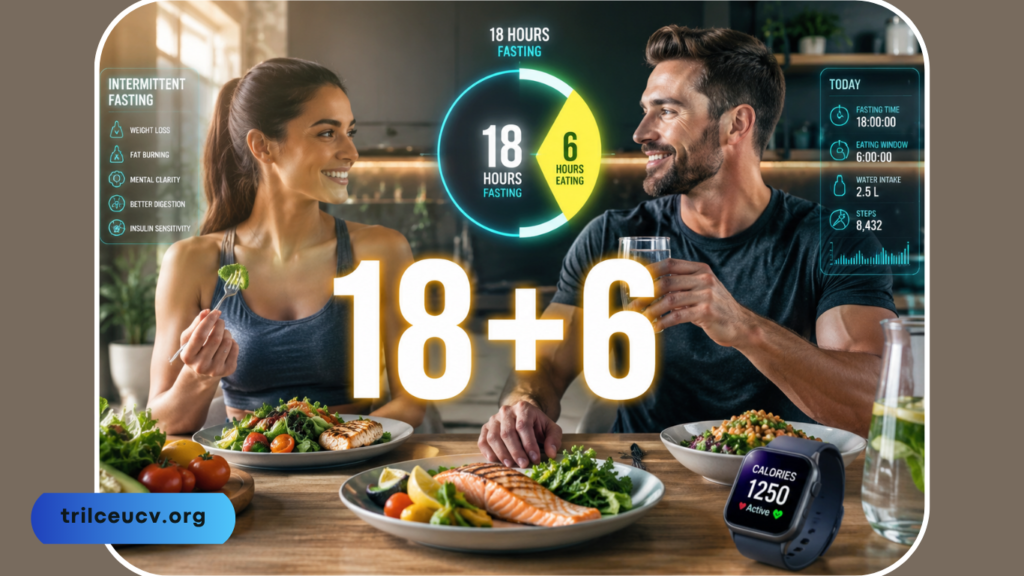
18+6
Intermittent fasting has transformed the way people approach weight loss, healthy eating, and long-term wellness. Among the many fasting methods available today, the 18+6 fasting schedule has become one of the most popular because it offers a balance between discipline and flexibility. Many people choose this fasting style to lose weight naturally, improve metabolism, increase energy levels, and simplify their daily eating routine without following extreme diet restrictions.
The 18+6 fasting method works by dividing the day into two parts: an 18-hour fasting window and a 6-hour eating window. During the fasting period, the body shifts from constantly digesting food to using stored fat for energy. This metabolic change is one of the main reasons why intermittent fasting has gained worldwide attention in the health and fitness industry. Unlike complicated diet plans, the 18/6 method focuses more on when you eat rather than obsessing over every calorie.
Another reason the 18+6 approach is attractive is its simplicity. You do not need expensive supplements, complicated meal plans, or strict food eliminations to start. Whether your goal is fat loss, improved insulin sensitivity, mental clarity, or healthier eating habits, this fasting method can fit into many lifestyles. Understanding how it works and how to follow it correctly can help you maximize benefits while avoiding common mistakes.
What Is the 18+6 Intermittent Fasting Method?
The 18+6 intermittent fasting method is a time-restricted eating plan where a person fasts for 18 hours and consumes all daily meals within a 6-hour window. During the fasting phase, no calorie-containing foods or drinks are consumed. Water, black coffee, plain tea, and other zero-calorie beverages are usually allowed because they do not significantly impact insulin levels or break the fast.
For example, someone may choose to eat between 12 PM and 6 PM each day. After 6 PM, they stop eating completely until noon the following day. This structured eating pattern encourages the body to spend more time in a fasted state, allowing it to burn stored glycogen and eventually tap into fat reserves for energy. Many people find this schedule easier to maintain than traditional calorie-restrictive diets because it reduces constant snacking and late-night eating.
Compared to shorter fasting schedules like 16:8, the 18/6 fasting routine extends the fasting period enough to potentially increase fat-burning and metabolic benefits. However, it is still considered manageable for most healthy adults. The eating window remains large enough to consume balanced meals with sufficient nutrients, making it sustainable for long-term use when practiced properly.
How the Body Responds During an 18-Hour Fast
During the first several hours of fasting, the body primarily uses glucose from recently consumed food for energy. Once those glucose levels begin to decrease, insulin levels also drop, signaling the body to access stored energy reserves. This process is one of the key reasons intermittent fasting can support weight management and metabolic health.
As the fasting period continues, the body gradually transitions into a state where fat becomes a major fuel source. Glycogen stores in the liver begin to deplete, encouraging fat oxidation. This metabolic switch is important because it allows the body to use stored body fat more efficiently. Many experts believe this mechanism contributes to the fat-loss effects associated with intermittent fasting.
An extended fasting period may also stimulate cellular repair processes such as autophagy. Autophagy is the body’s natural cleanup system where damaged cells and proteins are broken down and recycled. While research on humans is still evolving, scientists believe fasting may support long-term cellular health. Additionally, some people report improved mental focus and stable energy levels during fasting due to reduced blood sugar fluctuations.
Benefits of the 18+6 Fasting Schedule
One of the biggest benefits of the 18+6 fasting plan is its ability to support healthy weight loss. By reducing the eating window, many people naturally consume fewer calories without feeling deprived. Since the body spends more time in a fat-burning state, the fasting schedule may also help reduce body fat over time when combined with nutritious eating habits.
Another advantage is improved insulin sensitivity. Frequent eating throughout the day can keep insulin levels elevated, making it harder for the body to manage blood sugar efficiently. Intermittent fasting may help regulate insulin responses, which can support metabolic health and reduce the risk of type 2 diabetes in some individuals. Stable blood sugar levels can also help reduce cravings and energy crashes.
Many people also appreciate the simplicity and convenience of the 18/6 method. Instead of planning multiple snacks and meals throughout the day, eating becomes more structured and intentional. Some individuals report better digestion, improved focus, and enhanced discipline around food choices. The flexibility of the schedule allows users to adapt fasting times around work, exercise, and family routines.
Difference Between 18+6 and Other Fasting Methods
Intermittent fasting comes in several forms, but the 18+6 method sits between moderate and advanced fasting schedules. It is more intense than the popular 16:8 method because it extends the fasting period by two additional hours. Those extra hours may enhance fat metabolism and appetite control for some people.
| Fasting Method | Fasting Hours | Eating Window | Difficulty Level |
|---|---|---|---|
| 12:12 | 12 Hours | 12 Hours | Beginner |
| 14:10 | 14 Hours | 10 Hours | Easy |
| 16:8 | 16 Hours | 8 Hours | Moderate |
| 18:6 | 18 Hours | 6 Hours | Moderate to Advanced |
| 20:4 | 20 Hours | 4 Hours | Advanced |
Compared to more extreme fasting approaches like OMAD (One Meal a Day), the 18+6 schedule is generally easier to sustain while still providing noticeable health benefits. OMAD can be difficult because all calories must fit into a single meal, which may lead to nutritional deficiencies if not planned carefully.
The 18+6 method also provides more flexibility than alternate-day fasting or prolonged multi-day fasts. It allows individuals to maintain social meals, balanced nutrition, and consistent routines without the psychological strain often associated with stricter fasting programs.
Best Foods to Eat During the 6-Hour Eating Window
The quality of food consumed during the eating window plays a major role in determining fasting success. A healthy 18+6 meal plan should focus on nutrient-dense foods that provide protein, healthy fats, fiber, vitamins, and minerals. Whole foods help maintain satiety and support stable energy levels throughout the fasting period.
Protein-rich foods are especially important because they help preserve muscle mass and control hunger. Lean meats, eggs, fish, Greek yogurt, beans, and tofu are excellent options. Healthy fats from avocados, olive oil, nuts, and seeds can also support hormone health and improve fullness. Complex carbohydrates such as brown rice, oats, sweet potatoes, and vegetables provide sustained energy without sharp blood sugar spikes.
Hydration is equally important. Drinking enough water during both fasting and eating periods helps reduce fatigue and supports digestion. Many people also include herbal tea or black coffee to help manage appetite during fasting hours. Avoiding highly processed foods and sugary snacks is recommended because they can trigger cravings and reduce the effectiveness of intermittent fasting.
Common Mistakes People Make With 18+6 Fasting
One of the most common mistakes is overeating during the eating window. Some individuals believe they can consume unlimited unhealthy foods because they fasted for 18 hours. However, excessive calorie intake and poor food choices can prevent weight loss and negatively impact health.
Another mistake is not consuming enough nutrients. Restricting the eating window means every meal becomes more important. Skipping protein, vegetables, or healthy fats can leave the body undernourished and lead to fatigue, muscle loss, or cravings. Balanced meals are essential for maintaining long-term fasting success.
Many beginners also start too aggressively. Jumping directly into an 18-hour fast without preparation can cause headaches, dizziness, irritability, and low energy. Gradually increasing fasting duration over time allows the body to adapt more comfortably. Consistency is usually more important than pushing extreme fasting schedules too quickly.
Can 18+6 Help With Weight Loss?
The 18+6 fasting schedule is widely used for fat loss because it naturally limits the amount of time available for eating. Many people consume fewer calories without strict calorie counting, which creates a calorie deficit needed for weight reduction. Additionally, prolonged fasting periods may encourage the body to use stored fat as energy.
Another factor contributing to weight loss is reduced insulin levels during fasting. Lower insulin levels can improve the body’s ability to access stored fat reserves. Some studies also suggest intermittent fasting may influence hormones involved in hunger and metabolism, making appetite easier to control.
However, fasting alone is not a magic solution. Sustainable weight loss still depends on overall lifestyle habits, including food quality, sleep, stress management, and physical activity. People who combine intermittent fasting with healthy eating and exercise generally see the best long-term results.
The Role of Exercise During 18+6 Fasting
Exercise can complement the 18+6 fasting method by supporting fat loss, muscle maintenance, and cardiovascular health. Many people choose to work out during the fasting period because the body may rely more heavily on fat stores for energy during exercise.
Strength training is especially important because it helps preserve lean muscle mass while losing weight. Resistance exercises such as weightlifting, bodyweight workouts, and resistance bands can support metabolic health and body composition. Adequate protein intake during the eating window is also essential for muscle recovery.
Cardio workouts like walking, jogging, cycling, or swimming can further enhance calorie expenditure. However, individuals should pay attention to energy levels and avoid excessive exercise intensity if fasting causes fatigue or dizziness. Hydration and recovery remain critical parts of any fasting-based fitness routine.
Who Should Avoid the 18+6 Diet Plan?
Although intermittent fasting can benefit many healthy adults, it is not suitable for everyone. Pregnant or breastfeeding women typically require consistent nutrient intake and should avoid prolonged fasting unless advised by a healthcare professional.
People with a history of eating disorders should also approach fasting carefully. Restrictive eating patterns may trigger unhealthy behaviors or worsen relationships with food. Similarly, individuals with diabetes, low blood pressure, or chronic medical conditions should consult a healthcare provider before starting an extended fasting routine.
Teenagers and growing children generally need regular nutrition to support development and energy needs. Athletes with extremely high training demands may also require more frequent meals depending on performance goals and recovery requirements.
How to Start 18+6 Fasting Safely
Beginners should ease into the 18+6 schedule gradually instead of forcing an immediate 18-hour fast. Starting with a 12:12 or 14:10 schedule allows the body to adapt before progressing to longer fasting windows.
Planning meals ahead of time can make the transition easier. Consuming balanced meals rich in protein, fiber, and healthy fats helps control hunger during fasting hours. Drinking enough water is equally important because dehydration is often mistaken for hunger.
Sleep quality also affects fasting success. Poor sleep can increase cravings and make fasting more difficult. Maintaining consistent sleep patterns and stress management habits can improve energy levels and help the body adjust to intermittent fasting more effectively.
Mental and Cognitive Effects of Intermittent Fasting
Many individuals practicing 18+6 fasting report improved mental clarity and focus. Stable blood sugar levels during fasting may help reduce energy crashes and improve concentration throughout the day.
Researchers are also exploring how fasting influences brain health. Some studies suggest intermittent fasting may support the production of brain-derived neurotrophic factor (BDNF), a protein linked to learning and memory. While more research is needed, the potential cognitive benefits of fasting have attracted significant scientific interest.
However, not everyone experiences immediate mental improvements. Some beginners may feel irritable or distracted during the adjustment period. These symptoms often decrease as the body becomes more accustomed to fasting and energy regulation stabilizes.
Sample 18+6 Meal Plan for Beginners
Creating a practical meal structure can make intermittent fasting easier to follow consistently. A balanced meal plan should prioritize nutrition, hydration, and sustainable eating habits rather than extreme calorie restriction.
| Time | Meal Example |
|---|---|
| 12 PM | Grilled chicken, brown rice, mixed vegetables |
| 3 PM | Greek yogurt with berries and almonds |
| 5:30 PM | Salmon, sweet potatoes, salad with olive oil |
This simple structure provides protein, healthy fats, fiber, and complex carbohydrates to support satiety and energy levels. Meal timing can vary depending on personal preference, work schedules, and workout routines.
Snacks should remain balanced and nutrient-dense rather than highly processed. Fruits, nuts, boiled eggs, cottage cheese, or smoothies can fit well within the eating window. Choosing whole foods supports better digestion and appetite control during fasting.
How Long Does It Take to See Results?
Results from the 18+6 fasting method vary depending on body composition, diet quality, activity levels, and consistency. Some individuals notice reduced bloating and improved energy within the first week, while visible weight loss may take several weeks.
Fat loss generally occurs gradually when fasting is combined with healthy eating habits. Rapid results are not always sustainable, and focusing on long-term consistency tends to produce better outcomes than extreme short-term dieting.
Other benefits like improved digestion, reduced snacking, and better eating discipline may appear before major physical changes. Tracking progress through energy levels, measurements, fitness performance, and overall wellness can provide a more complete picture than focusing only on the scale.
Scientific Research Behind 18+6 Fasting
Research on intermittent fasting continues to grow, with studies examining its effects on weight loss, metabolic health, inflammation, and longevity. Many findings suggest time-restricted eating patterns may help reduce calorie intake and improve insulin sensitivity.
Scientists also investigate how fasting influences cellular repair and hormone regulation. Animal studies have shown promising results regarding lifespan and disease prevention, though human research is still developing. Researchers emphasize that fasting should be combined with healthy lifestyle habits for the best results.
Despite positive findings, intermittent fasting is not universally superior to all other diets. Success often depends on whether individuals can maintain the eating pattern consistently. Sustainable habits generally matter more than following any single diet trend.
Tips to Stay Consistent With 18+6 Fasting
Consistency is one of the most important factors in achieving success with intermittent fasting. Choosing a realistic eating window that fits daily life makes the routine easier to maintain over time.
Helpful strategies include:
- Drinking water regularly during fasting hours
- Keeping nutritious meals prepared in advance
- Avoiding late-night snacking
- Staying busy during fasting periods
- Getting enough sleep each night
Social events and busy schedules can sometimes disrupt fasting routines. Flexibility is important because occasional adjustments will not ruin long-term progress. The goal is building sustainable habits rather than following a perfect routine every day.
Support from friends, online communities, or fitness groups can also improve accountability and motivation. Many people find intermittent fasting easier when they share experiences and strategies with others pursuing similar health goals.
Is 18+6 Better Than Traditional Dieting?
Traditional dieting often focuses heavily on calorie counting and food restrictions, which some people find exhausting and difficult to maintain. The 18+6 method simplifies eating by concentrating on meal timing instead of constantly tracking every calorie.
Many individuals prefer fasting because it reduces decision fatigue around food. Fewer meals can also decrease mindless snacking and emotional eating. This structured approach may improve long-term adherence compared to highly restrictive diets.
However, the best dietary approach ultimately depends on personal preferences and health needs. Some people thrive with intermittent fasting, while others feel better eating smaller meals throughout the day. Sustainability and nutritional balance are more important than following trends.
Conclusion
The 18+6 intermittent fasting method has become a popular lifestyle approach for people seeking weight loss, improved metabolic health, and a simpler relationship with food. By fasting for 18 hours and eating within a 6-hour window, many individuals experience reduced calorie intake, improved appetite control, and increased fat burning. The method is flexible enough to fit different lifestyles while remaining structured enough to encourage healthier eating habits.
Success with the 18/6 fasting schedule depends on consistency, balanced nutrition, hydration, and realistic expectations. Fasting alone is not a miracle solution, but when combined with quality foods, regular exercise, and healthy routines, it can become an effective long-term wellness strategy. Understanding how the body responds during fasting and avoiding common mistakes can help individuals use this approach safely and effectively.
FAQs
What can I drink during 18+6 fasting?
You can drink water, black coffee, plain tea, and other zero-calorie beverages during the fasting period. Sugary drinks and calorie-containing beverages may break the fast.
Is 18+6 fasting safe every day?
For many healthy adults, daily 18+6 fasting can be safe when meals remain balanced and nutritious. Individuals with medical conditions should consult a healthcare professional first.
Can beginners start with 18+6 fasting immediately?
Beginners usually adapt better by starting with shorter fasting schedules like 12:12 or 14:10 before progressing to 18-hour fasting periods.
Does 18+6 fasting help burn belly fat?
Intermittent fasting may support overall fat loss, including belly fat, when combined with healthy eating and regular exercise. Spot reduction is not guaranteed.
Can I exercise while doing 18+6 fasting?
Yes, many people combine fasting with exercise successfully. Strength training and moderate cardio are commonly recommended alongside proper hydration and nutrition.
Will 18+6 fasting slow metabolism?
Research suggests intermittent fasting does not significantly slow metabolism when practiced properly. Extremely restrictive calorie intake over long periods is more likely to impact metabolic rate.
What foods should I avoid during the eating window?
Highly processed foods, excessive sugar, and fast food may reduce the effectiveness of fasting by increasing cravings and causing blood sugar spikes.
How quickly can I lose weight with 18+6 fasting?
Weight loss varies based on calorie intake, activity levels, metabolism, and consistency. Some people notice changes within weeks, while others require more time.