what does stg mean
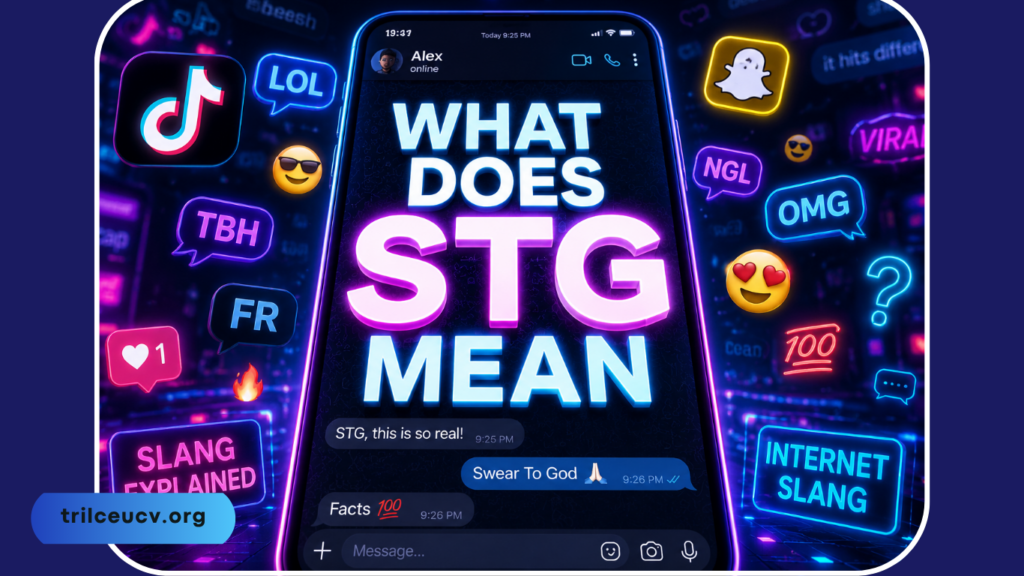
In today’s digital world, internet slang changes fast, and one abbreviation that confuses many people is “STG.” You may have seen it in text messages, TikTok comments, Snapchat chats, gaming communities, or social media captions and wondered: what does STG mean? The answer depends on the context, but most commonly, STG stands for “Swear To God.” It is often used to express seriousness, honesty, frustration, or strong emotions in conversations.
The popularity of slang abbreviations has exploded because people want faster and more expressive communication online. Terms like LOL, IMO, FR, TBH, and STG are now part of daily texting language. Whether you are a student, social media user, gamer, or content creator, understanding STG can help you communicate naturally and avoid misunderstandings online.
This complete guide explains every major meaning of STG, where it came from, how people use it on different platforms, examples of conversations, and whether it is appropriate in professional communication. By the end of this article, you will fully understand the meaning of STG in modern internet culture.
What Does STG Mean in Texting?
The most common meaning of STG in texting is “Swear To God.” People use it to show they are telling the truth or expressing strong emotions. It acts as a way to emphasize honesty, frustration, excitement, or seriousness in a conversation.
For example, someone may text:
- “STG I didn’t touch your phone.”
- “If he cancels again STG I’m done.”
- “STG that movie was amazing.”
In these examples, STG adds emotional intensity. It tells the reader that the speaker feels strongly about what they are saying. Younger generations especially use it frequently in casual conversations.
Unlike formal language, texting slang focuses on speed and emotional impact. Abbreviations like STG save time while making messages sound more expressive. Because texting lacks tone of voice and facial expressions, internet slang helps people communicate emotions more clearly.
Many people also use STG humorously or dramatically. Sometimes it is not meant literally but rather as a playful exaggeration. Understanding the tone of the conversation is important because STG can sound serious in one situation and funny in another.
Origin and History of the STG Slang
Internet slang constantly evolves, but STG became popular during the rise of mobile texting and social media apps. The phrase “Swear To God” existed long before smartphones, but shortening it to STG made it easier and faster to type.
During the early 2000s, abbreviations became common in SMS messaging because character limits forced users to shorten words. This trend later spread to platforms like Twitter, Snapchat, Instagram, and TikTok. STG eventually became part of modern online vocabulary.
The expression itself comes from everyday speech where people swear to God to emphasize honesty or sincerity. Online culture transformed this spoken phrase into a quick acronym that fits naturally into chats and comments.
Here is a simple overview of STG’s evolution:
| Time Period | Development of STG |
|---|---|
| Before Internet Era | “Swear To God” used in spoken language |
| Early SMS Era | Abbreviation STG becomes popular |
| Social Media Boom | Widely used on Snapchat, Twitter, TikTok |
| Modern Internet Culture | Common slang in texting and memes |
Today, STG is recognized across many online communities and age groups, especially among teenagers and young adults.
Different Meanings of STG
Although “Swear To God” is the most popular meaning, STG can have other definitions depending on the situation. Context always matters when interpreting abbreviations online.
Here are the most common meanings of STG:
| STG Meaning | Usage Context |
|---|---|
| Swear To God | Texting and social media |
| Shoot The Gun | Gaming discussions |
| Set The Goal | Sports or productivity contexts |
| Sterling | Financial abbreviation in some cases |
Most of the time, if someone says STG in a casual online conversation, they mean “Swear To God.” However, in gaming or professional discussions, the meaning could change.
For example:
- “STG bro I saw him cheating.” = Swear To God
- “Use the STG loadout.” = Refers to a weapon in gaming
This is why understanding context is extremely important. Reading the full conversation usually makes the meaning clear.
How STG Is Used on Social Media
Social media platforms helped STG become mainstream internet slang. People use it in captions, comments, memes, tweets, and replies to make their messages sound stronger and more emotional.
On TikTok, users often write things like:
- “STG this song heals my soul.”
- “STG I can’t stop watching this.”
On Instagram and Snapchat, STG commonly appears in personal conversations or reaction posts. The abbreviation helps users express authenticity or exaggerated emotions quickly.
Social media culture encourages short, emotional communication. Because of this, slang terms spread rapidly. Influencers, meme pages, and viral trends all contributed to the popularity of STG.
Another reason STG became popular is relatability. Many people use it casually with friends because it sounds natural and conversational. The phrase feels informal and emotionally expressive, which fits perfectly with online culture.
STG Meaning on Snapchat
Snapchat is one of the biggest platforms where STG is used regularly. Since Snapchat focuses on quick and casual communication, abbreviations fit naturally into conversations.
When someone says “STG” on Snapchat, they usually mean:
- They are being serious
- They are frustrated
- They want emphasis
- They are emotionally reacting to something
Examples include:
- “STG if you tell anyone I’m blocking you.”
- “I’m tired STG.”
- “STG you’re the funniest person ever.”
Snapchat slang evolves quickly because users prefer fast communication. Instead of typing long explanations, abbreviations like STG help save time while keeping conversations expressive.
Many younger users combine STG with emojis, memes, or other slang terms like “FR,” “ONG,” or “NGL.” This creates a casual online communication style that feels more personal and modern.
What Does STG Mean on TikTok?
TikTok has played a huge role in spreading modern internet slang, including STG. The platform’s fast-paced video culture encourages short phrases and emotional reactions, making abbreviations extremely popular.
People often use STG in comments to react strongly to videos:
- “STG this is the funniest thing I’ve seen today.”
- “STG this trend needs to stop.”
- “STG I relate to this.”
TikTok users also include STG in captions or voiceovers to sound dramatic, funny, or relatable. Because humor and exaggeration are major parts of TikTok culture, STG fits naturally into trending content.
Many creators use STG for storytelling. For example, someone might say:
“STG my teacher looked exactly like this guy.”
In these situations, the phrase creates emotional emphasis rather than literal seriousness. TikTok slang often relies on exaggeration for entertainment value.
STG in Gaming Communities
In gaming culture, STG can sometimes have a completely different meaning. While many gamers still use it as “Swear To God,” some games use STG as the name of a weapon or gameplay term.
For example, in certain shooter games, STG refers to the STG-44 rifle, a famous weapon in gaming history. Gamers may say:
- “The STG loadout is overpowered.”
- “I unlocked the STG today.”
This shows why context matters. In a gaming chat, STG could refer either to a gun or a slang expression depending on the conversation.
Gaming communities also heavily use abbreviations because communication during gameplay must be fast. Short acronyms save time and improve teamwork.
Here are common gaming-related interpretations:
| Gaming Use | Meaning |
|---|---|
| STG weapon | STG-44 rifle |
| STG expression | Swear To God |
| STG in chats | Emotional emphasis |
Understanding gaming slang helps players communicate effectively in online multiplayer environments.
Examples of STG in Conversations
Seeing STG used in real conversations makes understanding easier. The abbreviation can express many emotions depending on tone and context.
Casual Conversations
- “STG I forgot my homework again.”
- “That pizza was amazing STG.”
- “STG you always make me laugh.”
Angry Reactions
- “STG if this happens again I’m leaving.”
- “You better stop STG.”
Funny or Dramatic Usage
- “STG my cat acts like a human.”
- “STG this weather hates me.”
Relationship Conversations
- “STG I miss you.”
- “I love this song STG.”
These examples show how flexible the abbreviation is. It can sound emotional, funny, serious, or dramatic depending on the situation.
Is STG Considered Rude or Offensive?
Whether STG is offensive depends largely on cultural background, religion, and personal beliefs. Since it includes the phrase “Swear To God,” some people may consider it disrespectful or inappropriate.
In casual internet culture, most users do not see STG as offensive. Teenagers and young adults often use it casually without thinking deeply about the religious meaning.
However, in formal environments or conversations with religious individuals, it may be better to avoid using it. Some people feel uncomfortable when religious phrases are used casually or jokingly.
Professional communication should generally avoid slang abbreviations like STG because they may appear immature or unprofessional.
Here are situations where STG may not be appropriate:
- Business emails
- Academic writing
- Professional meetings
- Formal presentations
- Conversations with sensitive audiences
Understanding your audience is important before using internet slang.
STG vs Similar Internet Slang Terms
Many internet abbreviations have meanings similar to STG. Understanding the differences helps you communicate more naturally online.
| Slang Term | Meaning |
|---|---|
| STG | Swear To God |
| FR | For Real |
| ONG | On God |
| TBH | To Be Honest |
| NGL | Not Gonna Lie |
STG and ONG are especially similar because both emphasize honesty or seriousness. However, ONG is more modern and trendy among younger internet users.
Examples:
- “STG I didn’t do it.”
- “ONG I didn’t do it.”
Both sentences express sincerity, but the tone may vary slightly depending on the user and platform.
Learning these related abbreviations helps you better understand online conversations and internet culture.
Why Teenagers Use STG So Much
Teenagers use STG frequently because internet slang helps create identity, humor, and emotional expression. Modern digital communication values speed and relatability more than formal grammar.
Slang terms allow young people to communicate naturally with friends while feeling connected to online culture. STG specifically became popular because it sounds emotional and dramatic, which matches the style of social media communication.
Teenagers also enjoy exaggeration in conversations. Saying “STG” can make ordinary situations sound more intense or entertaining. This style fits perfectly with meme culture and viral content.
Another reason for STG’s popularity is social influence. When influencers, creators, and friends use slang terms repeatedly, others naturally adopt them too.
Online trends spread extremely fast today. A phrase used by a TikTok creator can become part of everyday teenage vocabulary within days.
Can Adults Use STG?
Yes, adults can absolutely use STG in casual communication. Internet slang is no longer limited to teenagers. Many adults use abbreviations when texting friends or interacting online.
However, adults usually adjust their language depending on context. Using STG with close friends may feel natural, but using it in professional settings could appear unprofessional.
The key is understanding audience and tone. Informal conversations allow more relaxed language, while workplace communication typically requires professionalism.
Adults who understand internet culture often use slang terms casually because it helps conversations feel more modern and relatable. Still, moderation matters. Overusing slang can sometimes reduce clarity or credibility.
Ultimately, STG is simply a communication tool. Whether it sounds appropriate depends on how and where it is used.
How STG Became Popular Online
Several factors contributed to STG becoming widely recognized internet slang. The growth of smartphones and social media dramatically changed communication habits worldwide.
Short-form communication became essential because users wanted faster interactions. Typing “STG” is much quicker than typing “Swear To God,” especially during fast-moving chats.
Platforms like:
- Snapchat
- TikTok
- Discord
all helped spread the abbreviation through viral posts, memes, and conversations.
Meme culture also accelerated the popularity of STG. Funny reactions, exaggerated emotions, and relatable content made the abbreviation feel entertaining and expressive.
As online communication evolved, abbreviations became part of internet identity. People now recognize slang instantly, making conversations faster and more emotionally engaging.
When You Should Avoid Using STG
Although STG is common online, there are situations where avoiding it is the better choice. Formal communication requires clarity and professionalism, which slang abbreviations may weaken.
Avoid using STG in:
- Job applications
- Professional emails
- School assignments
- Business communication
- Formal interviews
Some people may not understand internet slang at all. Using abbreviations in professional settings can create confusion or appear disrespectful.
Additionally, because STG references religious language, certain audiences may find it inappropriate. Being aware of cultural sensitivity helps maintain respectful communication.
Instead of slang, use clear professional language when necessary. For example:
Instead of:
- “STG I completed the project.”
Use:
- “I confirm the project has been completed.”
Choosing the right communication style for the situation is an important digital skill.
The Future of Internet Slang Like STG
Internet slang constantly changes, but abbreviations like STG remain popular because they fit modern communication habits. As social media platforms evolve, new slang terms appear while older ones either disappear or become mainstream language.
Artificial intelligence, memes, gaming culture, and influencer communities will continue shaping internet vocabulary. Terms that once belonged only to teenagers often become widely recognized across all age groups.
STG may eventually become less trendy as new slang emerges, but its meaning will likely remain understandable for years because it has become deeply integrated into online communication.
Language naturally evolves with technology. Internet slang reflects how digital culture changes human interaction. Abbreviations save time, add emotion, and help people feel connected online.
Understanding slang like STG is now part of digital literacy. Whether for texting, social media, gaming, or content creation, knowing modern internet language improves communication in today’s online world.
Conclusion
If you have ever wondered what does STG mean, the simple answer is that it usually stands for “Swear To God.” It is one of the most common internet slang abbreviations used in texting, social media, gaming, and casual online communication.
STG helps people express honesty, frustration, excitement, humor, or emotional emphasis quickly and naturally. While it is mostly harmless in casual settings, it may not always be appropriate in professional or formal communication.
As digital language continues evolving, abbreviations like STG remain important parts of internet culture. Understanding them helps you communicate more effectively and confidently online.
FAQs
What does STG stand for in texting?
STG most commonly stands for “Swear To God” in texting and social media conversations.
Is STG rude?
Not usually, but some people may consider it inappropriate because it references religious language.
What does STG mean on Snapchat?
On Snapchat, STG usually means “Swear To God” and is used to emphasize seriousness or emotions.
What does STG mean in gaming?
In gaming, STG can refer to the STG-44 weapon or still mean “Swear To God” depending on context.
Is STG the same as ONG?
They are similar. STG means “Swear To God,” while ONG means “On God.” Both emphasize honesty or seriousness.
Can I use STG in professional communication?
It is better to avoid STG in professional settings because slang abbreviations may appear unprofessional.
Why is STG popular online?
STG became popular because internet users prefer fast, emotional, and expressive communication on social media and messaging apps.
Do adults use STG too?
Yes, many adults use STG casually in texts and online conversations, though usually not in formal situations.