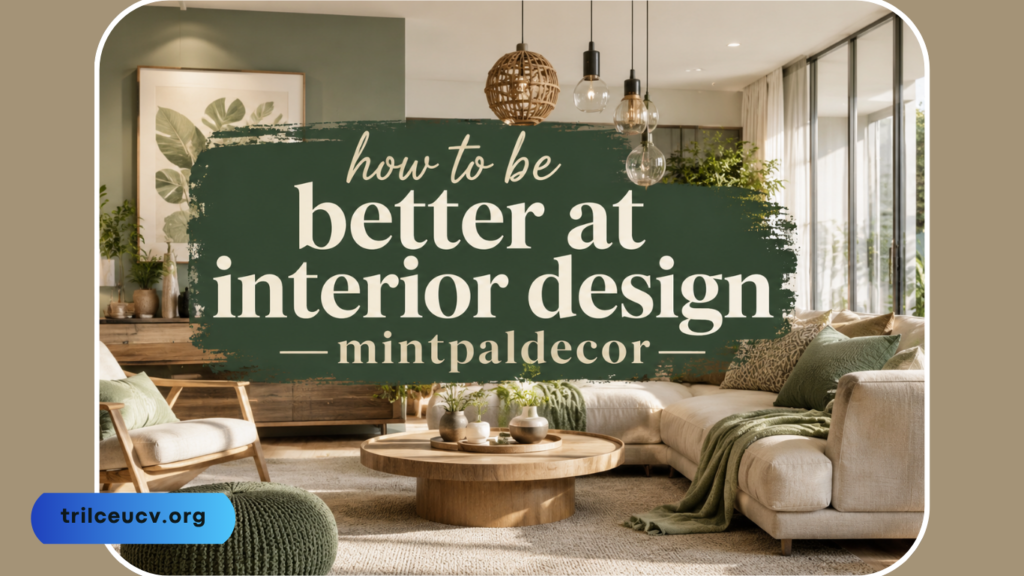
how to be better at interior design mintpaldecor
Interior design is no longer just about making a room look beautiful. Today, it is about creating a space that feels personal, functional, relaxing, and inspiring at the same time. If you have been searching for ways to improve your decorating skills, organize your home better, and create modern spaces that truly reflect your personality, learning how to be better at interior design mintpaldecor can completely transform your approach to home styling.
Mintpaldecor-inspired interior design focuses on balance, comfort, creativity, and smart aesthetics. It combines modern trends with timeless decorating principles to help homeowners design spaces that feel luxurious without becoming overwhelming. Whether you live in a small apartment, a family home, or a studio space, understanding color harmony, furniture placement, lighting techniques, texture combinations, and layout planning can make a dramatic difference.
This complete guide explores practical interior design strategies, room styling techniques, décor ideas, and professional design concepts that can help beginners and experienced decorators alike. From choosing the right furniture to understanding modern home décor trends, this article covers everything you need to create elegant, cozy, and visually balanced interiors.
Understanding the Core Concept of Interior Design
Interior design is the art and science of improving indoor spaces to achieve healthier, more beautiful, and more functional environments. Many people assume interior decorating is simply choosing attractive furniture and paint colors, but real design goes much deeper. A properly designed room considers layout efficiency, lighting flow, comfort, storage, balance, proportion, and emotional impact.
When learning how to be better at interior design mintpaldecor, it is important to understand how every design element works together. Walls, flooring, furniture, accessories, textures, and lighting all contribute to the overall atmosphere of a room. Successful interiors are not crowded with expensive items. Instead, they use carefully selected elements that complement each other naturally.
Interior design also affects mood and productivity. Bright spaces with natural lighting often improve focus and positivity, while soft textures and warm colors can create a calm and relaxing environment. Modern interior styling is about blending beauty with usability so every room serves a purpose while still feeling aesthetically pleasing.
Another important aspect is personalization. Your home should reflect your lifestyle and personality. Instead of copying trends directly from social media, the best designers adapt ideas to fit their unique spaces. This approach helps create interiors that remain timeless rather than temporary.
Why Mintpaldecor Style Is Becoming Popular
Mintpaldecor-style interiors have gained popularity because they combine modern simplicity with cozy elegance. This design philosophy focuses on creating balanced spaces that feel open, organized, stylish, and comfortable without appearing cold or overly minimalistic.
One major reason people love this style is its flexibility. Mintpaldecor concepts work well in apartments, modern homes, offices, and even compact studio spaces. Neutral tones, soft color palettes, layered textures, and smart furniture arrangements help create visually clean environments while still maintaining warmth and personality.
Another reason for its popularity is practicality. Many homeowners now prefer clutter-free living because organized spaces reduce stress and improve daily comfort. Mintpaldecor encourages intentional decorating, where every furniture piece and decorative item has a clear purpose.
Key Features of Mintpaldecor Style
| Design Element | Purpose |
|---|---|
| Neutral color palettes | Create calm and spacious interiors |
| Layered textures | Add warmth and visual depth |
| Smart furniture layouts | Improve room functionality |
| Natural lighting | Enhance openness and mood |
| Minimal clutter | Promote clean aesthetics |
The design style also adapts easily to changing trends. You can update a room seasonally with small décor adjustments instead of completely redesigning the space. This makes it budget-friendly while still maintaining a luxurious appearance.
Choosing the Right Color Palette for Your Home
Color selection is one of the most powerful aspects of interior design. The right colors can make a room appear larger, brighter, cozier, or more luxurious. When improving your interior design skills, understanding color psychology is essential.
Neutral shades such as beige, cream, white, gray, and soft earth tones are commonly used in mintpaldecor-inspired interiors because they create a timeless foundation. These colors allow furniture and decorative accents to stand out naturally without overwhelming the room.
Accent colors are equally important. Soft greens, muted blues, terracotta, sage, and warm brown tones add personality while maintaining visual harmony. Instead of using too many bold colors in one room, professional designers usually select one dominant color and two supporting tones.
Lighting also changes how colors appear. Natural daylight can make shades look brighter, while artificial lighting may create warmer or cooler effects. Testing paint samples before finalizing a color scheme helps avoid expensive mistakes.
The emotional effect of colors should also guide your decisions. Bedrooms benefit from calming shades, while dining areas can handle richer tones that encourage warmth and conversation. Understanding these subtle psychological effects helps create spaces that feel balanced and intentional.
Creating Functional Room Layouts
A beautiful room is ineffective if it lacks functionality. One of the biggest mistakes beginners make is focusing only on aesthetics while ignoring how people actually move through a space.
Functional layouts begin with understanding traffic flow. Furniture should never block natural pathways or make rooms feel cramped. Designers often leave enough open space so movement feels comfortable and effortless.
Room proportions matter as well. Large furniture inside small rooms can make interiors feel crowded, while tiny furniture in spacious areas may appear disconnected. Scale and balance are essential when arranging seating, tables, shelves, and decorative accents.
Common Layout Mistakes and Solutions
| Mistake | Better Solution |
|---|---|
| Pushing all furniture against walls | Create conversation-focused groupings |
| Using oversized furniture | Choose proportional pieces |
| Ignoring walkways | Leave clear movement paths |
| Poor TV placement | Align seating comfortably |
| Lack of focal point | Use artwork, fireplace, or statement furniture |
Another key principle is defining focal points. Every room should have one visually dominant feature that immediately attracts attention. This could be a large artwork piece, elegant sofa, fireplace, or accent wall.
The Importance of Lighting in Interior Design
Lighting is often underestimated, yet it dramatically changes how interiors look and feel. A poorly lit room can make even expensive furniture appear dull and uninviting.
Professional designers usually combine three types of lighting: ambient lighting, task lighting, and accent lighting. Ambient lighting provides overall illumination, task lighting supports activities like reading or cooking, and accent lighting highlights decorative features.
Natural light is equally valuable. Large windows, sheer curtains, and reflective surfaces help maximize daylight while making spaces feel larger and fresher. Mirrors are especially effective because they reflect both light and visual depth.
Warm lighting generally creates cozy and inviting environments, while cooler lighting works better for offices and productivity-focused spaces. Smart lighting systems now allow homeowners to adjust brightness and color temperature depending on the time of day.
Layered lighting creates sophistication. Instead of relying on a single ceiling fixture, combining floor lamps, table lamps, pendant lights, and wall sconces adds visual richness and flexibility.
How Furniture Selection Impacts Interior Style
Furniture is the foundation of every interior space. Selecting the right pieces requires balancing comfort, style, durability, and functionality. Many people purchase furniture based only on appearance, but experienced designers consider long-term usability as well.
Quality furniture often lasts longer and maintains its appearance better over time. Neutral-colored sofas and timeless wooden pieces remain stylish for years, while trendy furniture can quickly become outdated.
When learning how to be better at interior design mintpaldecor, focus on furniture that complements the room rather than dominates it. Clean lines, soft textures, and balanced proportions create visually appealing spaces without overwhelming the design.
Multi-functional furniture has also become increasingly important, especially in smaller homes. Storage ottomans, expandable dining tables, modular sofas, and wall-mounted desks help maximize efficiency without sacrificing aesthetics.
Texture plays a major role too. Combining leather, wood, fabric, glass, and metal creates visual contrast and prevents rooms from feeling flat or repetitive.
Using Texture to Add Depth and Warmth
Texture is one of the most overlooked elements in home décor. Even a room with neutral colors can feel rich and luxurious when multiple textures are layered correctly.
Soft rugs, velvet cushions, woven baskets, wooden furniture, linen curtains, ceramic accessories, and knitted throws all contribute to tactile depth. Without texture variation, interiors may appear sterile or unfinished.
One effective technique is combining rough and smooth surfaces. For example, pairing polished marble with soft fabrics creates contrast that feels balanced and sophisticated. Similarly, matte finishes combined with metallic accents add elegance without excessive decoration.
Layering textures also improves comfort. Cozy environments usually include multiple tactile elements that encourage relaxation and warmth. Bedrooms especially benefit from layered bedding, upholstered furniture, and soft lighting.
The key is moderation. Too many textures can make spaces feel chaotic, while too few create bland interiors. Carefully balancing materials helps maintain visual harmony.
Decorating Small Spaces Effectively
Small-space design requires creativity and strategic planning. Limited square footage does not mean sacrificing beauty or comfort. In fact, many modern interior trends focus specifically on maximizing compact living spaces.
The first rule is avoiding clutter. Every item should serve a purpose, either functional or decorative. Open shelving, hidden storage, and multi-purpose furniture help maintain organization while saving space.
Mirrors are extremely effective in small interiors because they reflect light and create the illusion of depth. Vertical storage solutions also help free up floor space while maintaining accessibility.
Smart Small Space Design Tips
- Use light-colored walls to create openness
- Choose furniture with exposed legs for visual space
- Add floating shelves for storage
- Incorporate mirrors strategically
- Use foldable or multi-functional furniture
- Avoid oversized decorative items
Proper lighting is equally important. Bright, layered lighting prevents small rooms from feeling enclosed or dark. Minimalistic décor also works well because it maintains visual simplicity.
Understanding Minimalist Interior Design
Minimalism is about intentional living rather than empty spaces. Many people misunderstand minimalist design as cold or boring, but well-designed minimalist interiors actually feel calm, elegant, and highly functional.
The core principle is simplicity. Instead of filling rooms with unnecessary items, minimalist interiors focus on carefully selected furniture and décor that serve clear purposes. Clean lines, neutral colors, and uncluttered surfaces create peaceful environments.
Minimalist spaces often emphasize quality over quantity. A few high-quality statement pieces usually have more impact than overcrowded decorations. This approach also makes cleaning and organization easier.
Natural materials are frequently used in minimalist interiors. Wood, stone, cotton, linen, and ceramic textures add warmth while maintaining simplicity. Soft lighting further enhances the relaxing atmosphere.
Minimalism also encourages mindful purchasing habits. Rather than chasing every trend, homeowners invest in timeless pieces that remain stylish and functional for years.
How to Mix Modern and Traditional Décor
Combining modern and traditional elements creates interiors with character and depth. This balance prevents spaces from feeling overly formal or excessively contemporary.
Traditional décor often includes detailed craftsmanship, rich wood tones, and classic furniture silhouettes. Modern design, on the other hand, emphasizes simplicity, clean lines, and minimal ornamentation. Blending both styles creates visually dynamic interiors.
One common technique is pairing antique furniture with modern lighting or contemporary artwork. Neutral wall colors also help unify contrasting styles without creating visual conflict.
Balance is essential when mixing aesthetics. Too many traditional elements can feel outdated, while excessive modernism may appear cold. Carefully selecting complementary colors and materials helps bridge both styles successfully.
Textures and accessories can further connect the design. For example, vintage rugs paired with sleek furniture create warmth while maintaining sophistication.
The Role of Accessories in Interior Design
Accessories complete a room and add personality to interiors. Without decorative details, even beautifully designed spaces can feel unfinished.
Common accessories include artwork, plants, cushions, candles, books, mirrors, vases, and decorative trays. These elements introduce color, texture, and individuality into a room.
However, accessories should enhance rather than overwhelm the design. Over-decorating often creates clutter and visual confusion. Professional designers typically follow a balanced approach by leaving enough negative space around decorative items.
Indoor plants have become especially popular because they improve air quality while adding freshness and natural beauty. Large leafy plants work well in corners, while smaller plants can decorate shelves and tables.
Artwork placement is equally important. Hanging art too high is a common mistake. Ideally, artwork should align near eye level for the best visual effect.
Designing Cozy and Comfortable Living Rooms
Living rooms are often the central gathering spaces in homes, making comfort and functionality especially important. A well-designed living room should encourage relaxation, conversation, and daily usability.
Furniture arrangement significantly impacts comfort. Sofas and chairs should face each other naturally rather than focusing only on televisions. Layered textiles such as rugs, throws, and cushions also contribute to coziness.
Lighting creates atmosphere as well. Combining table lamps, floor lamps, and warm overhead lighting produces a welcoming environment during evenings.
Color selection matters too. Soft neutrals with warm accent tones often create inviting spaces without becoming visually overwhelming. Adding personal touches like family photos, books, and meaningful décor helps make the room feel authentic and lived-in.
Storage solutions are also important. Stylish baskets, cabinets, and shelves help maintain organization while preserving visual appeal.
Creating Elegant Bedroom Interiors
Bedrooms should feel restful, peaceful, and comfortable. Since quality sleep directly affects health and productivity, bedroom design deserves careful attention.
Soft color palettes usually work best in bedrooms because they encourage relaxation. Earth tones, muted blues, warm whites, and soft grays are particularly effective. Excessively bright colors may overstimulate the senses.
Layered bedding creates luxury and comfort. Combining duvets, throws, textured pillows, and upholstered headboards enhances visual softness while improving comfort.
Lighting should remain adjustable. Bedside lamps, dimmable fixtures, and soft ambient lighting allow flexibility depending on mood and activities.
Storage organization is equally important. Cluttered bedrooms often feel stressful and chaotic. Hidden storage solutions and minimal decorative clutter help maintain calm environments.
Scent also influences atmosphere. Candles, diffusers, and fresh linens contribute to a more relaxing bedroom experience.
Interior Design Trends That Are Dominating Modern Homes
Interior design trends constantly evolve, but certain concepts have remained especially influential in recent years. Sustainable materials, natural textures, curved furniture, and warm minimalism are currently dominating modern home décor.
Homeowners increasingly prefer eco-friendly materials like reclaimed wood, bamboo, linen, and recycled décor items. Sustainability has become both a design trend and a lifestyle priority.
Biophilic design is another growing trend. This concept focuses on integrating nature into interiors through plants, natural lighting, organic materials, and earthy colors. These elements create calming environments that improve mental well-being.
Curved furniture and soft silhouettes are also replacing harsh geometric designs. Rounded sofas, arches, and circular décor elements create more inviting interiors.
Smart home integration is becoming increasingly common as well. Automated lighting, climate control systems, and multifunctional furniture improve convenience while supporting modern lifestyles.
Budget-Friendly Interior Design Strategies
Beautiful interiors do not always require massive budgets. Strategic planning and creative thinking can dramatically improve spaces without excessive spending.
One of the best strategies is prioritizing high-impact updates. Paint, lighting, curtains, cushions, and rearranged furniture often create noticeable improvements at relatively low costs.
Second-hand furniture and vintage décor can also add character while saving money. Many older pieces feature superior craftsmanship compared to modern mass-produced furniture.
DIY projects are another effective solution. Painting furniture, creating gallery walls, and repurposing décor items allow homeowners to personalize interiors affordably.
Affordable Design Upgrades
| Upgrade | Estimated Impact |
|---|---|
| Fresh paint | High visual transformation |
| New lighting fixtures | Improved atmosphere |
| Decorative cushions | Added color and comfort |
| Indoor plants | Fresh natural appearance |
| Rearranged furniture | Better functionality |
Patience is important too. Building a thoughtfully designed home gradually often leads to better long-term results than rushing expensive purchases.
Common Interior Design Mistakes to Avoid
Even beautifully furnished homes can feel unbalanced if certain design mistakes are overlooked. Understanding these common issues helps create more polished interiors.
One major mistake is overcrowding rooms with furniture or décor. Too many items reduce functionality and make spaces feel visually stressful. Proper spacing allows rooms to breathe naturally.
Poor lighting is another frequent issue. Relying only on ceiling lights often creates flat and uninviting interiors. Layered lighting improves depth and ambiance significantly.
Incorrect rug sizing also affects room proportions. Small rugs can make furniture arrangements appear disconnected. Ideally, rugs should anchor seating areas properly.
Ignoring scale and proportion is equally problematic. Tiny accessories in large rooms often disappear visually, while oversized furniture overwhelms smaller spaces.
Finally, copying trends without considering personal lifestyle can lead to impractical interiors. The best homes balance aesthetics with everyday functionality.
Conclusion
Learning how to be better at interior design mintpaldecor is ultimately about understanding balance, comfort, creativity, and functionality. Great interior design does not depend entirely on expensive furniture or luxury décor. Instead, it comes from thoughtful planning, smart layouts, harmonious color palettes, layered textures, proper lighting, and personalized details that reflect your lifestyle.
Whether you prefer modern minimalism, cozy traditional spaces, or a mix of multiple styles, the key is creating interiors that feel authentic and practical. By focusing on functionality alongside beauty, you can transform ordinary rooms into inspiring living environments that improve comfort, productivity, and emotional well-being.
Interior design is also a continuous learning process. Trends evolve, personal preferences change, and spaces adapt over time. The more you experiment with layouts, textures, colors, and décor arrangements, the more confident and skilled you become in creating stylish and welcoming interiors.
FAQs
What is mintpaldecor interior design style?
Mintpaldecor interior design focuses on clean aesthetics, functional layouts, cozy textures, balanced color palettes, and modern elegance. It combines simplicity with comfort to create visually appealing living spaces.
How can beginners improve their interior design skills?
Beginners can improve by studying color theory, practicing furniture arrangement, understanding lighting techniques, and observing professional design inspiration while adapting ideas to their own spaces.
Which colors work best for modern interiors?
Neutral tones such as white, beige, gray, cream, and earthy shades work well for modern interiors because they create timeless and versatile foundations.
How important is lighting in interior design?
Lighting is extremely important because it affects mood, visibility, room perception, and overall atmosphere. Layered lighting creates more balanced and attractive interiors.
What is the biggest mistake in home decorating?
Overcrowding rooms with excessive furniture or décor is one of the most common mistakes. Proper spacing and organization improve both functionality and aesthetics.
Can small homes still look luxurious?
Yes, small homes can look luxurious through smart storage, proper lighting, cohesive color palettes, quality textures, and carefully selected furniture.
How do I make my living room feel cozy?
Use layered textiles, warm lighting, comfortable seating arrangements, soft color palettes, and personal decorative elements to create a cozy atmosphere.
Is minimalist interior design still popular?
Yes, minimalist design remains highly popular because it promotes organized, calm, and functional living environments with timeless appeal.