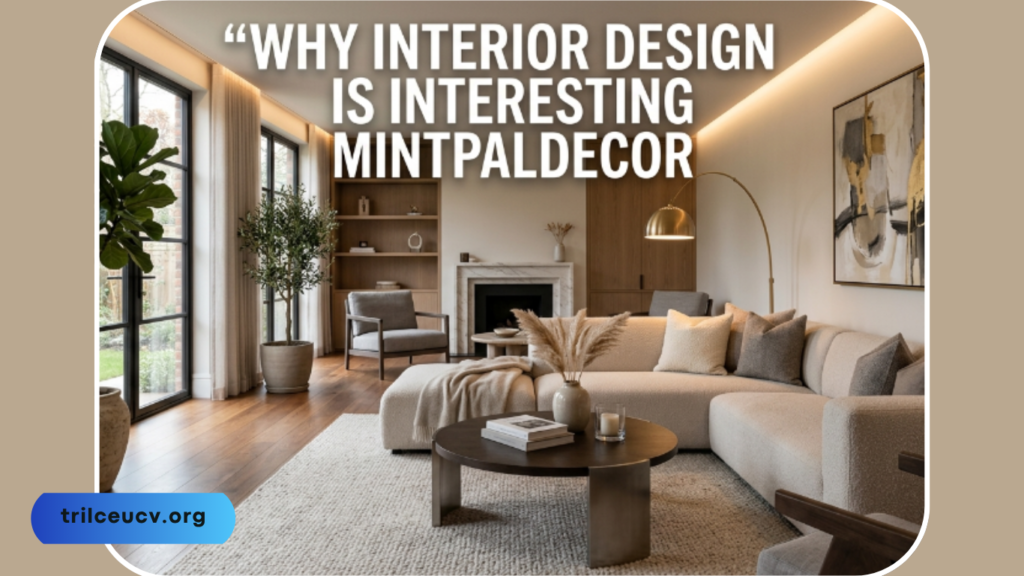
why interior design is interesting mintpaldecor
Interior design is more than arranging furniture or choosing colors—it’s a creative, functional, and emotional journey that shapes how people experience spaces every single day. When we talk about “why interior design is interesting mintpaldecor,” we’re diving into a perspective that blends creativity with practicality, aesthetics with psychology, and trends with timelessness. Whether it’s a cozy home, a modern office, or a luxurious hotel, interior design influences mood, productivity, and even lifestyle choices.
What makes interior design so captivating is its ability to transform ordinary spaces into meaningful environments. It tells stories, reflects personalities, and adapts to evolving needs. With approaches like Mintpaldecor, design becomes even more intriguing by combining innovation, simplicity, and purpose-driven aesthetics. This guide explores the many dimensions of interior design and why it continues to fascinate people across the world.
The Creative Expression Behind Interior Design
Interior design is a powerful form of creative expression. Designers use elements like color, texture, lighting, and layout to craft unique environments that reflect personality and purpose. Every project becomes a blank canvas where imagination meets functionality, allowing designers to translate ideas into tangible spaces.
Creativity in interior design isn’t just about beauty—it’s about solving problems in visually appealing ways. Designers must consider space limitations, client preferences, and practical needs while still delivering something visually stunning. This balance between creativity and logic is what makes the field so engaging and intellectually stimulating.
How Interior Design Impacts Daily Life
Interior design directly affects how people feel and function in a space. A well-designed room can boost productivity, reduce stress, and improve overall well-being. From the placement of furniture to the choice of lighting, every detail contributes to the user’s experience.
In homes, thoughtful design creates comfort and relaxation, while in workplaces, it enhances focus and efficiency. This ability to influence emotions and behavior makes interior design both powerful and fascinating. It’s not just about appearance—it’s about improving quality of life.
The Role of Psychology in Interior Design
One of the most interesting aspects of interior design is its connection to psychology. Colors, patterns, and layouts can evoke specific emotions and reactions. For example, soft blues and greens create calmness, while bright colors like yellow can energize a space.
Designers often study human behavior to create environments that support mental and emotional well-being. This blend of psychology and design adds depth to the profession, making it more than just a visual art—it becomes a science of human experience.
Understanding Space Planning and Functionality
Space planning is a core element that makes interior design intellectually engaging. Designers must analyze how a space will be used and ensure that it is both functional and efficient. This involves careful measurement, layout planning, and understanding movement flow.
A well-planned space maximizes usability without compromising aesthetics. Whether it’s a small apartment or a large commercial area, smart space planning ensures that every inch is utilized effectively, making design both practical and visually appealing.
The Evolution of Interior Design Trends
Interior design is constantly evolving, influenced by culture, technology, and lifestyle changes. Trends come and go, but they reflect the current needs and preferences of society. From minimalist styles to bold, eclectic designs, the variety keeps the field dynamic.
Mintpaldecor emphasizes staying updated with trends while maintaining timeless appeal. This balance ensures that designs remain relevant without becoming outdated quickly. The ever-changing nature of trends keeps designers inspired and continuously learning.
The Importance of Color Theory in Design
Color plays a crucial role in interior design, influencing mood and perception. Understanding color theory allows designers to create harmonious and balanced spaces. The right combination of colors can make a room feel larger, brighter, or more inviting.
Designers use color strategically to highlight features, create contrast, and establish a theme. This thoughtful use of color adds another layer of complexity and creativity, making interior design an art that requires both knowledge and intuition.
Furniture Selection and Its Impact
Furniture is more than just functional—it defines the character of a space. Choosing the right furniture involves considering style, comfort, size, and placement. Each piece contributes to the overall design and must work in harmony with the rest of the elements.
Good furniture selection enhances both aesthetics and usability. It ensures that the space is comfortable and visually cohesive. This process of balancing form and function is one of the reasons why interior design remains so interesting.
Lighting as a Transformative Element
Lighting can completely transform a space. It affects mood, highlights features, and improves functionality. Natural light brings warmth and openness, while artificial lighting adds depth and focus.
Designers use different types of lighting—ambient, task, and accent—to create layered effects. This strategic use of light adds dimension and enhances the overall design, making it a crucial and fascinating aspect of interior design.
Materials and Textures in Interior Design
Materials and textures add depth and richness to a space. From soft fabrics to hard surfaces like wood and metal, each material contributes to the overall feel of a room. Combining different textures creates visual interest and balance.
Designers carefully select materials based on durability, aesthetics, and purpose. This attention to detail ensures that the design is not only beautiful but also practical and long-lasting.
The Influence of Culture on Interior Design
Culture plays a significant role in shaping interior design styles. Different regions have unique design elements influenced by traditions, history, and lifestyle. Incorporating cultural elements adds authenticity and character to a space.
Mintpaldecor often blends modern design with cultural influences, creating spaces that are both contemporary and meaningful. This fusion makes interior design diverse and endlessly inspiring.
Sustainability in Modern Interior Design
Sustainable design is becoming increasingly important. Designers are now focusing on eco-friendly materials, energy-efficient solutions, and sustainable practices. This approach not only benefits the environment but also creates healthier living spaces.
Sustainability adds a new dimension to interior design, encouraging innovation and responsibility. It challenges designers to think creatively while minimizing environmental impact.
Technology and Smart Interior Design
Technology has revolutionized interior design. Smart homes, automated lighting, and digital tools have made design more efficient and interactive. Designers can now visualize concepts using advanced software, making the process more precise.
Smart design enhances convenience and functionality, making spaces more adaptable to modern lifestyles. This integration of technology keeps the field exciting and forward-thinking.
The Business Side of Interior Design
Interior design is not just a creative field—it’s also a business. Designers must manage budgets, communicate with clients, and coordinate with contractors. This combination of creativity and business skills makes the profession dynamic.
Understanding market trends and client needs is essential for success. This aspect adds complexity and makes interior design a multifaceted career.
Personalization and Client-Centered Design
Every client has unique preferences and needs. Personalization is key to creating meaningful designs. Designers must listen, interpret, and translate ideas into functional spaces that reflect the client’s personality.
This collaborative process makes interior design rewarding and engaging. It ensures that each project is unique and tailored to the individual.
Why Mintpaldecor Makes Interior Design More Interesting
Mintpaldecor stands out by combining creativity, functionality, and modern trends. It focuses on creating spaces that are not only visually appealing but also practical and meaningful. This approach highlights why interior design is interesting.
By emphasizing balance, innovation, and user experience, Mintpaldecor showcases the true potential of interior design. It transforms spaces into experiences, making the process both exciting and impactful.
Key Elements of Interior Design
| Element | Description | Importance |
|---|---|---|
| Color | Sets mood and tone | High |
| Lighting | Enhances visibility and ambiance | High |
| Furniture | Provides function and style | High |
| Texture | Adds depth and interest | Medium |
| Space | Determines layout and flow | High |
Benefits of Interior Design
- Improves functionality of spaces
- Enhances aesthetic appeal
- Boosts mental well-being
- Increases property value
- Reflects personal style
Comparison of Design Styles
| Style | Characteristics | Best For |
|---|---|---|
| Modern | Clean lines, minimal decor | Urban homes |
| Traditional | Classic details, rich colors | Large spaces |
| Minimalist | Simple, clutter-free | Small apartments |
| Industrial | Raw materials, open spaces | Loft-style homes |
Conclusion
Interior design is interesting because it blends creativity, psychology, functionality, and innovation into one dynamic field. From shaping emotions to enhancing everyday living, it plays a crucial role in how people interact with their environments. Approaches like Mintpaldecor make interior design even more engaging by focusing on balance, personalization, and modern trends.
As lifestyles continue to evolve, interior design will remain an essential and fascinating discipline. It’s not just about decorating spaces—it’s about creating experiences, improving lives, and turning visions into reality.
FAQs
Why is interior design important?
Interior design improves functionality, enhances aesthetics, and positively impacts mental well-being by creating comfortable and efficient spaces.
What makes Mintpaldecor unique?
Mintpaldecor focuses on combining modern trends with practical functionality, creating balanced and personalized spaces.
How does interior design affect mood?
Colors, lighting, and layout influence emotions, making spaces feel calm, energetic, or comfortable depending on the design.
Is interior design a good career?
Yes, it offers creative satisfaction, diverse opportunities, and the ability to make a real impact on people’s lives.
What are the basic elements of interior design?
Key elements include color, lighting, space, texture, and furniture, all working together to create a cohesive design.