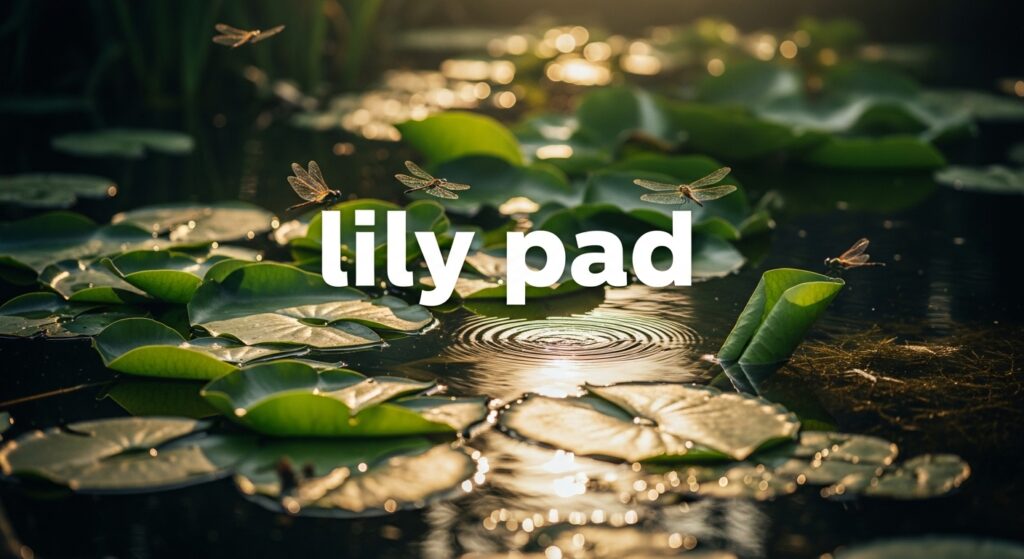
Lily pad
Lily pads are one of the most enchanting sights in freshwater environments. Their broad, floating leaves create a calm, picturesque surface across ponds, lakes, and slow-moving streams. But beyond their beauty, lily pads play a vital role in aquatic ecosystems, supporting wildlife, maintaining water balance, and even inspiring art and culture for centuries. Whether you’re a nature lover, gardener, or simply curious, understanding lily pads opens a window into a fascinating underwater world that often goes unnoticed.
This complete guide explores everything you need to know about lily pads—from their biology and types to their ecological importance and practical uses. By the end, you’ll not only appreciate their beauty but also understand why they are essential to aquatic life and human environments alike.
What Is a Lily Pad
A lily pad is the floating leaf of aquatic plants belonging primarily to the water lily family. These plants thrive in still or slow-moving freshwater environments where their leaves spread across the surface, forming a natural canopy. The leaves are typically round, flat, and waxy, allowing them to float effortlessly while repelling water.
Underneath the surface, lily pads are connected to a complex root system anchored in the muddy bottom. These roots absorb nutrients from the soil, which are then transported through long stems to the leaves and flowers. This structure allows the plant to remain stable while adapting to water level changes.
Lily pads are not just decorative elements. They serve as vital components of aquatic ecosystems. They provide shelter for fish, frogs, and insects while also offering resting spots for birds and amphibians. Their presence indicates a healthy aquatic environment, making them important ecological indicators.
Types of Lily Pads
There are several types of lily pads, each belonging to different species of aquatic plants. The most common are hardy water lilies and tropical water lilies. Hardy varieties can survive colder climates and return each year, while tropical types thrive in warmer temperatures and often produce more vibrant flowers.
Another category includes giant water lilies, known for their enormous leaves that can support small animals. These species are often found in tropical regions and are admired for their size and strength. Their structure is specially adapted to distribute weight evenly across the surface.
Each type of lily pad has unique characteristics such as leaf size, color, and flowering patterns. Some have smooth edges, while others feature jagged or serrated margins. Understanding these differences helps gardeners and nature enthusiasts identify and select the right type for their environment.
Structure and Anatomy of Lily Pads
Lily pads have a fascinating structure designed for aquatic survival. The leaf surface is coated with a waxy layer that repels water, keeping it dry and preventing decay. This also helps the leaf remain buoyant and functional even in wet conditions.
Beneath the leaf lies a network of veins that transport nutrients and oxygen. These veins also provide structural support, ensuring the leaf maintains its shape while floating. The underside of the leaf often contains tiny air pockets that aid in buoyancy.
The stem, known as a petiole, connects the leaf to the root system. It is flexible yet strong, allowing the leaf to move with water currents without breaking. The roots anchor the plant firmly in the substrate, ensuring stability and continuous nutrient absorption.
How Lily Pads Grow
Lily pads grow from rhizomes buried in the mud at the bottom of water bodies. These rhizomes act as storage organs, holding nutrients that fuel growth during favorable conditions. When temperatures rise, new shoots emerge and extend toward the water surface.
As the shoots reach the surface, they unfurl into flat leaves that spread outward. This growth pattern allows the plant to maximize sunlight exposure, which is essential for photosynthesis. Over time, the plant expands, covering larger areas of water.
Growth rates depend on factors such as sunlight, water temperature, and nutrient availability. In optimal conditions, lily pads can grow rapidly, forming dense clusters that provide extensive coverage and habitat for aquatic life.
Habitat and Natural Environment
Lily pads are typically found in calm freshwater environments like ponds, lakes, and marshes. They prefer shallow waters where sunlight can easily penetrate, supporting photosynthesis. The muddy bottom provides a rich source of nutrients for their roots.
These plants thrive in regions with moderate to warm climates, although some species can tolerate colder temperatures. Water quality also plays a significant role in their growth, as polluted or highly acidic water can hinder development.
The natural habitat of lily pads supports a wide range of organisms. Fish, amphibians, and insects rely on these plants for shelter and breeding grounds, making them essential components of aquatic ecosystems.
Role in Aquatic Ecosystems
Lily pads play a crucial role in maintaining ecological balance. Their leaves provide shade, reducing water temperature and preventing excessive algae growth. This helps maintain oxygen levels and supports aquatic life.
They also serve as habitats for various species. Fish hide beneath the leaves to avoid predators, while frogs and insects use them as resting platforms. Birds often perch on lily pads while searching for food.
Additionally, lily pads contribute to nutrient cycling. They absorb nutrients from the water and sediment, helping to prevent over-enrichment and maintaining water quality.
Benefits of Lily Pads
Lily pads offer numerous environmental and aesthetic benefits. They enhance the visual appeal of water bodies, creating serene and picturesque landscapes. Their presence can transform ordinary ponds into beautiful natural settings.
From an ecological perspective, they improve water quality by filtering pollutants and reducing algae growth. This creates a healthier environment for aquatic organisms.
They also support biodiversity by providing habitats and food sources for various species. This makes them valuable additions to both natural and artificial water systems.
Lily Pads and Wildlife
Many animals depend on lily pads for survival. Frogs often sit on the leaves to rest and hunt insects. Fish use the shaded areas beneath the pads as hiding spots from predators.
Insects such as dragonflies lay their eggs on lily pads, ensuring a safe environment for their offspring. Birds may use the leaves as platforms for feeding or nesting.
This interaction between lily pads and wildlife highlights their importance in maintaining ecological balance and supporting diverse life forms.
Growing Lily Pads in Ponds
Growing lily pads in a pond can enhance its beauty and ecological value. The process begins with selecting the right species based on climate and water conditions. Hardy varieties are ideal for beginners.
Planting involves placing the rhizomes in containers filled with aquatic soil and submerging them in the pond. Proper sunlight and water depth are essential for healthy growth.
Regular maintenance, such as removing dead leaves and controlling spread, ensures the plants remain healthy and visually appealing. With proper care, lily pads can thrive and transform any pond into a vibrant ecosystem.
Common Problems and Solutions
Lily pads can face issues such as pests, diseases, and overcrowding. Aphids and beetles may attack the leaves, causing damage and reducing plant health.
Fungal infections can also occur, especially in poor water conditions. Maintaining clean water and removing affected parts can help prevent the spread of disease.
Overcrowding is another common problem. Regular pruning and dividing the plants can prevent excessive growth and maintain balance in the pond.
Seasonal Changes and Care
Lily pads undergo seasonal changes depending on the climate. In warmer months, they grow rapidly and produce flowers. During colder seasons, growth slows down, and some species may go dormant.
Proper care involves adjusting maintenance practices according to the season. In winter, hardy varieties can survive if the roots are protected below the freezing level.
Seasonal care ensures the longevity and health of lily pads, allowing them to thrive year after year.
Cultural and Symbolic Meaning
Lily pads have been symbols of beauty, purity, and tranquility in various cultures. They are often associated with calmness and spiritual growth due to their ability to thrive in muddy waters while remaining clean.
In art and literature, lily pads have inspired countless works, representing peace and harmony. Their presence in gardens and landscapes often reflects a desire for serenity and balance.
This cultural significance adds another layer of appreciation for these remarkable plants.
Difference Between Lily Pads and Lotus Leaves
Although often confused, lily pads and lotus leaves are different. Lily pads float on the water surface, while lotus leaves typically rise above it.
The structure and growth patterns also differ. Lotus plants have thicker stems and larger leaves, while lily pads are generally flatter and more delicate.
Understanding these differences helps in identifying and cultivating the right plant for specific environments.
Water Quality and Lily Pads
Water quality directly affects the health of lily pads. Clean, nutrient-rich water supports growth, while polluted water can lead to disease and poor development.
Maintaining proper pH levels and avoiding chemical contamination is essential. Regular monitoring ensures the plants remain healthy and vibrant.
Healthy lily pads contribute to improved water quality, creating a balanced and sustainable ecosystem.
Uses of Lily Pads in Landscaping
Lily pads are widely used in landscaping to enhance water features. They add visual interest and create a natural, calming atmosphere.
In garden ponds, they provide shade and reduce algae growth, improving overall water quality. Their flowers add color and elegance to the landscape.
Landscapers often use lily pads to create focal points and integrate natural elements into outdoor spaces.
Interesting Facts About Lily Pads
Lily pads have several fascinating characteristics. Some species can support significant weight due to their Strong structural design.
Their leaves can repel water completely, a property known as hydrophobicity. This helps keep them clean and functional.
They also play a role in scientific research, particularly in studying plant adaptation and water interaction.
Conclusion
Lily pads are much more than floating leaves—they are essential components of aquatic ecosystems, offering beauty, balance, and biodiversity. From their unique structure to their ecological importance, they contribute significantly to both natural and artificial water environments. Whether you’re growing them in a garden pond or observing them in the wild, lily pads provide a deeper appreciation for nature’s intricate design.
FAQs
What is a lily pad used for
Lily pads are used for decoration, ecological balance, and providing habitat for aquatic life.
Do lily pads produce flowers
Yes, many species produce beautiful flowers that bloom on or above the water surface.
Can lily pads grow in small ponds
Yes, with proper care and the right species, they can thrive in small garden ponds.
Are lily pads beneficial for fish
Yes, they provide shade, protection, and improve water quality for fish.
How fast do lily pads grow
Growth depends on conditions, but they can spread quickly in warm, nutrient-rich water.
Do lily pads need sunlight
Yes, they require adequate sunlight for photosynthesis and healthy growth.
Are lily pads and lotus the same
No, they are different plants with distinct structures and growth habits.